

How Long Does Artificial Turf Last in Australia?
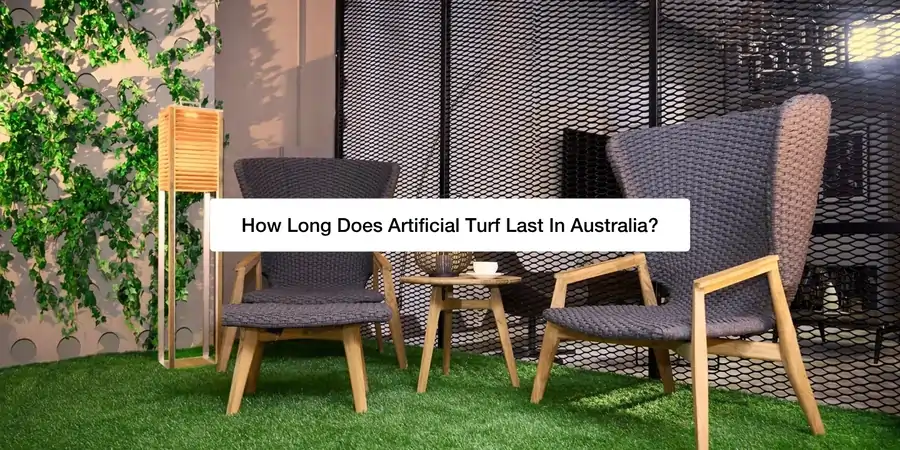
Table of Contents
- What is the average lifespan of artificial turf in Australia?
- What factors affect the lifespan of artificial turf?
- What maintenance does artificial turf require to last?
- Artificial lawn vs natural lawn longevity
- Conclusion
- Frequently Asked Questions
Artificial turf is a fantastic alternative to real grass for Australian properties and can last for many years with little maintenance. Like any outdoor surface, it will gradually experience wear over time, but the rate at which this occurs varies based on several factors.
In this article, we’ll explain how long artificial turf typically lasts in Australia, the factors that affect its longevity and what you can do to maximise its lifespan.
What you need to know
- Artificial turf typically lasts between 8 and 10 years in Australia, with some high-quality products potentially lasting up to 20 years
- Product quality, installation quality, foot traffic, weather exposure and maintenance can all affect lifespan
- Artificial turf gradually experiences wear over time rather than failing suddenly
- Basic maintenance can help maximise the lifespan and appearance of artificial turf
- Compared to natural lawns, artificial turf requires significantly less ongoing maintenance and water use
What is the average lifespan of artificial turf in Australia?
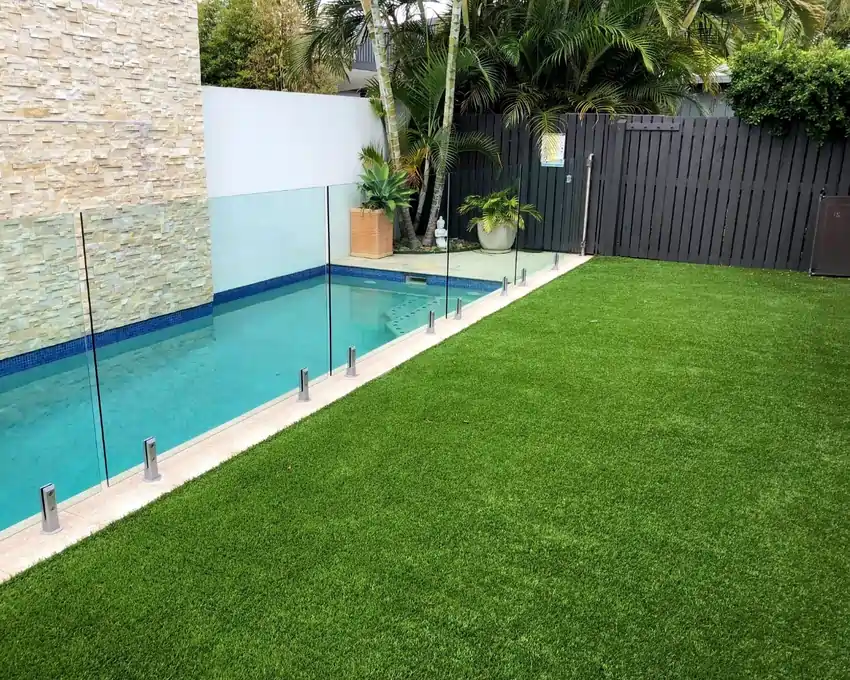
The longevity of fake grass in Australia can vary significantly. The average lifespan of artificial turf in Australia is typically between 8 and 10 years, with high-quality products potentially lasting up to 20 years when properly installed and maintained.
Quality artificial turf products are specifically designed to withstand prolonged exposure to the Australian climate. Many are resistant to UV radiation, rainfall, temperature fluctuations and contact with liquid spills and pet waste.
When installed correctly and taken care of appropriately, many artificial lawns can continue to perform well for many years beyond their warranty period.
What factors affect the lifespan of artificial turf?
It is important to understand that synthetic turf does not typically weaken or fade suddenly. Instead, it gradually experiences wear over time. Below are some of the factors that can affect its lifespan.
Product quality
The quality of the artificial turf itself can have a significant impact on its lifespan. Higher-quality products are typically manufactured using more durable materials and are better equipped to withstand prolonged exposure to sunlight, weather and regular use.
Installation quality
Even the highest-quality artificial turf can experience issues if it is not installed correctly. A properly prepared base, suitable drainage and correct installation techniques help create a stable surface that can withstand years of use.
Usage and foot traffic
Synthetic grass installed in high-traffic areas will generally experience more wear over time than turf that receives limited use. Frequent foot traffic, pets and regular recreational activities may contribute to fibre flattening and other signs of wear.
Exposure to sun and weather
Artificial lawn is designed for outdoor use, but prolonged exposure to direct sun and weather will cause it to fade and wear out much faster than lawn installed in covered areas.
Maintenance
Regular maintenance can help maximise the lifespan of synthetic turf. Removing debris, cleaning spills and pet waste, and brushing the fibres when required can help keep installed turf looking and performing its best over time.
What maintenance does artificial turf require to last?
One of the advantages of artificial turf is that it requires significantly less upkeep than a natural lawn. However, some maintenance is still required to help maximise its lifespan and preserve its appearance.
The following maintenance activities will help keep your synthetic lawn looking great for years to come.
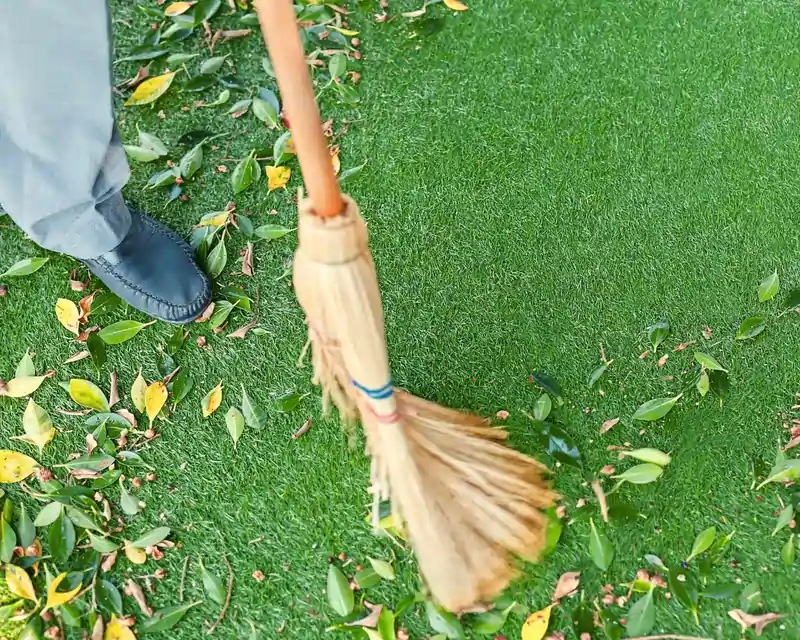
- Occasional brushing of the blades with a stiff broom
- Removing leaves, sticks and other debris
- Cleaning spills and pet waste promptly
- Managing weeds if they appear
- Keeping drainage areas clear
For more information on caring for artificial turf, read our Termiturf Care & Maintenance Guide.
Artificial lawn vs natural lawn longevity
While both artificial and natural lawns can create an attractive outdoor space, they differ in terms of longevity and ongoing maintenance requirements.
Natural lawns require regular watering, mowing, fertilising, weeding and ongoing care to maintain their appearance. Natural lawns can also be affected by drought, disease, pests and patchy growth, which will require additional time and money to resolve.
Artificial lawns, on the other hand, are designed to provide a consistent appearance for many years with comparatively little maintenance. Plus, they can be installed indoors, as they don’t require sunlight or water.
While fake lawns will gradually experience wear over time and eventually require replacement, they generally require far less time, money and ongoing maintenance than natural lawns.
To learn more about the savings artificial lawns can provide over natural lawns, read our article: What Are the Benefits of Artificial Grass Over Real Grass?
Conclusion
Quality artificial turf typically lasts between 8 and 10 years in Australia, with some products lasting considerably longer when installed and maintained correctly. However, no two artificial turf installations will have exactly the same lifespan, as product quality, installation techniques, usage, weather exposure and upkeep all vary between properties.
While synthetic lawn will eventually require replacement, its long lifespan and comparatively low maintenance requirements make it a practical alternative to natural grass for many Australian homes and businesses.
If you’re considering synthetic grass for your property, visit our artificial turf page to learn more, see our turf styles and view completed installations.
Frequently Asked Questions
Q. Is artificial turf suitable for Australian conditions?
A. Yes. Quality artificial turf products, such as Termiturf, are specifically designed to withstand Australia’s climate, including prolonged UV exposure, rainfall and temperature fluctuations.
When artificial turf is installed correctly and maintained appropriately, it can provide many years of reliable performance in Australian conditions.
Q. Does artificial turf fade in the sun?
A. While modern artificial turf products are manufactured with superior UV stabilisation technology compared to earlier product generations, synthetic turf may still gradually fade from prolonged exposure to sunlight.
Q. Does artificial turf wear out in high-traffic areas?
A. Yes, artificial turf can wear out in high-traffic areas. How quickly this happens depends on the level of traffic it receives, which can lead to the turf blades flattening, increased wear along common walking paths and a gradual decline in appearance over time.
Q. How can I make my artificial turf last longer?
A. You can help artificial turf last longer by choosing a quality product, ensuring it is installed correctly and carrying out basic maintenance when required.
Synthetic turf maintenance includes removing debris, cleaning spills and pet waste promptly, brushing the fibres when needed and keeping drainage areas clear.
Q. What are the signs that artificial turf is ageing?
A. Artificial turf typically ages gradually rather than failing suddenly. Common signs of ageing may include minor fading, flattened grass blades, worn areas in high-traffic zones and a general decline in appearance after many years of use.