What You Need to Know About Termite Visual Inspection Zones
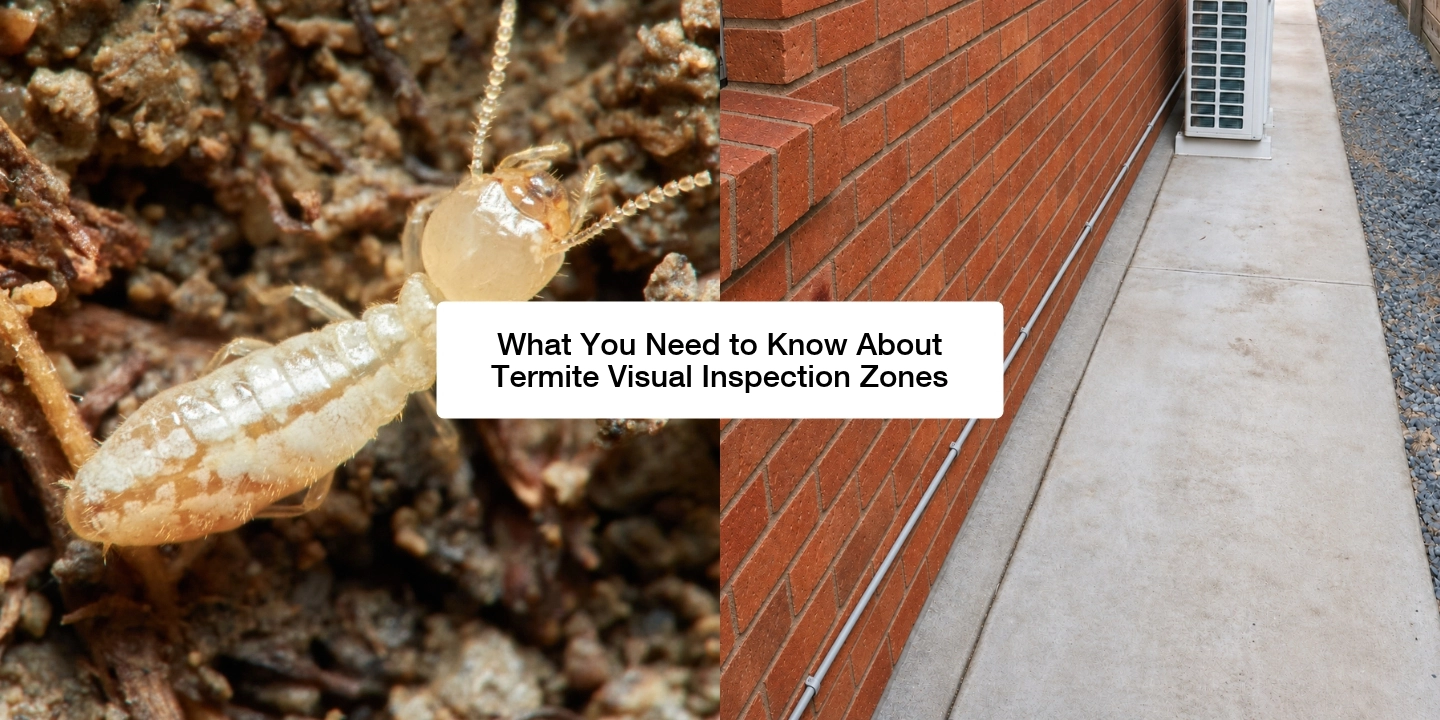
Table of Contents
- What are termite visual inspection zones and why are they important?
- Where are termite visual inspection zones located and how much clearance do they need?
- Obstructions to visual inspection zones and how to keep them clear
- Conclusion
- Frequently Asked Questions
Termite visual inspection zones play an important role in termite prevention for your home. During a termite inspection, these zones help pest management technicians determine whether subterranean termites have attempted to bridge your installed termite barrier.
However, visual inspection zones can easily become obstructed by the everyday events happening around your property. As a result, termite activity can go undetected and could lead to termite damage inside your home.
In this article, you’ll find out everything you need to know about termite visual inspection zones, how to keep them clear and why they are an important part of your home’s termite management plan.
What you need to know
- Termite visual inspection zones make signs of termite bridging easier to identify
- Required clearances depend on your home’s construction and the termite management system installed
- Homeowners are responsible for keeping inspection zones clear of soil, mulch, vegetation and other obstructions
- Clear inspection zones work alongside your termite barrier and professional termite inspections to manage termite risk
- Obstructed inspection zones can conceal termite activity, allowing it to go undetected
What are termite visual inspection zones and why are they important?
Termite visual inspection zones are areas around a home’s perimeter that are purposely left unobstructed to allow a pest management technician to identify termite bridging during a termite inspection.
Subterranean termites build mud tubes to protect themselves as they travel across exposed surfaces. Termite mud tubes appearing in an inspection zone can indicate that termites have attempted to travel around or “bridge” your installed barrier. Keeping these zones clear makes mud tubes easier to identify during an inspection.
If mud tubes are found in an inspection zone, don’t disturb or remove them, as this could encourage termites to search for more concealed pathways into your home. Keeping them intact will also help during your inspection. If mud tubes are evident, your pest technician can investigate the corresponding area inside your home for further signs of termite activity.
Important: Visual inspection zones should be free of obstructions and fully visible around the complete perimeter of your home to work as intended.
How do termite management systems, visual inspection zones and inspections work together to manage termite risk?
Managing termite risk begins with the system installed in your home. Termite management systems do two things. They prevent concealed termite entry from beneath your home, and they force activity out into the open where it can be seen.
When termite activity is forced into the open, evidence often appears on the exterior walls of your home. This is where clear visual inspection zones become useful. Mud tubes and termite activity extending from garden beds or other structures are easily spotted.
Termite inspections round out the steps for managing termite risk and it is recommended homeowners have at least one each year. Why? Termites can continue searching for access to your property at any time following your last inspection. Regular inspections help identify new signs of termite bridging before they go unnoticed for an extended period.
Where are termite visual inspection zones located and how much clearance do they need?
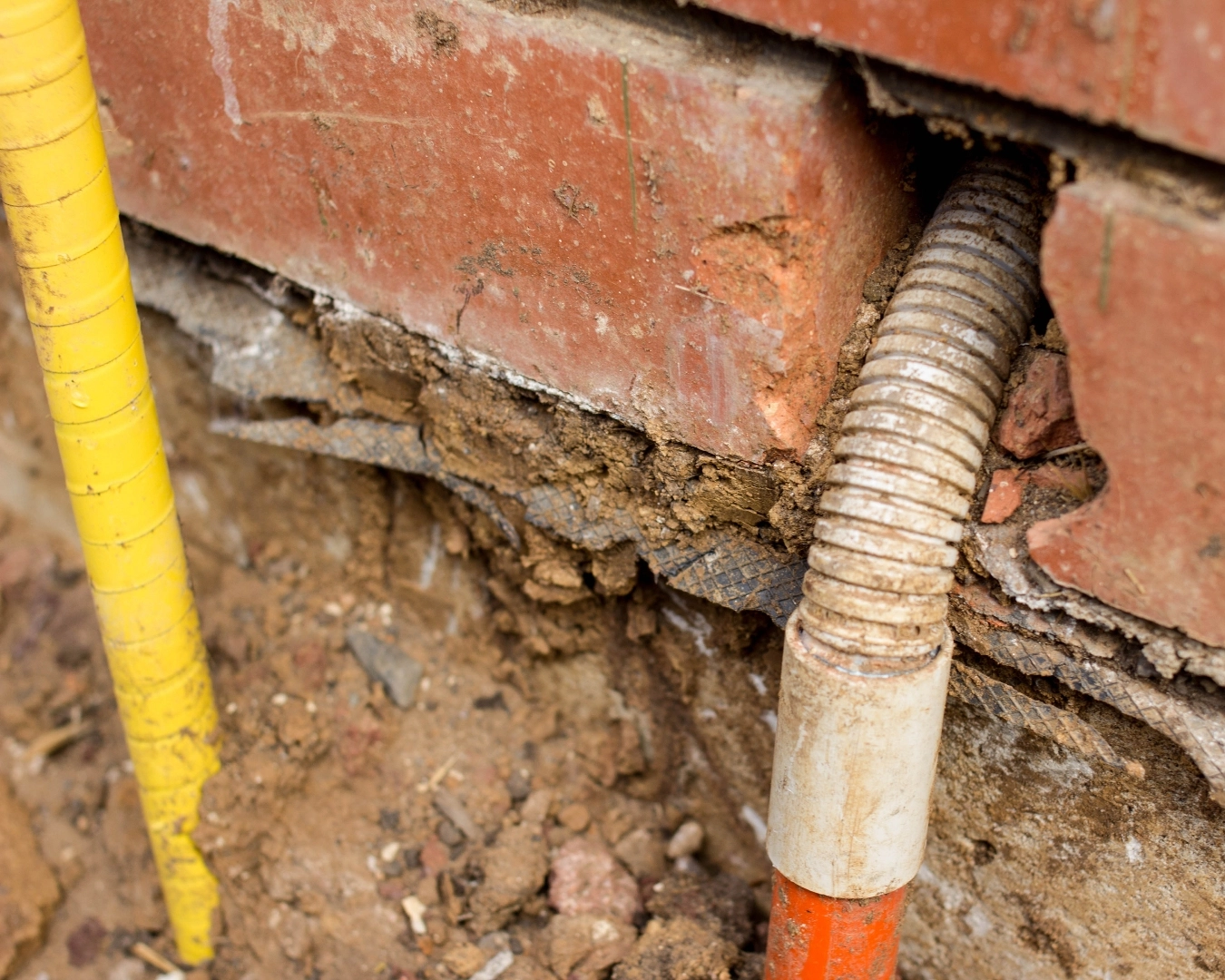
Termite visual inspection zones are designated cleared spaces close to, or at ground level around your home’s perimeter. The required clearance will depend on your home’s construction type and the termite management system installed.
For homes built on a concrete slab, an exposed slab edge (the outer face of the concrete foundation) provides a visible surface where termite mud tubes can be identified. Where exposed slab edges form part of the termite management system, AS 3660.1:2014 requires at least 75 mm of clearance above the finished ground level. In areas of high termite activity, a wider visual zone should be considered.
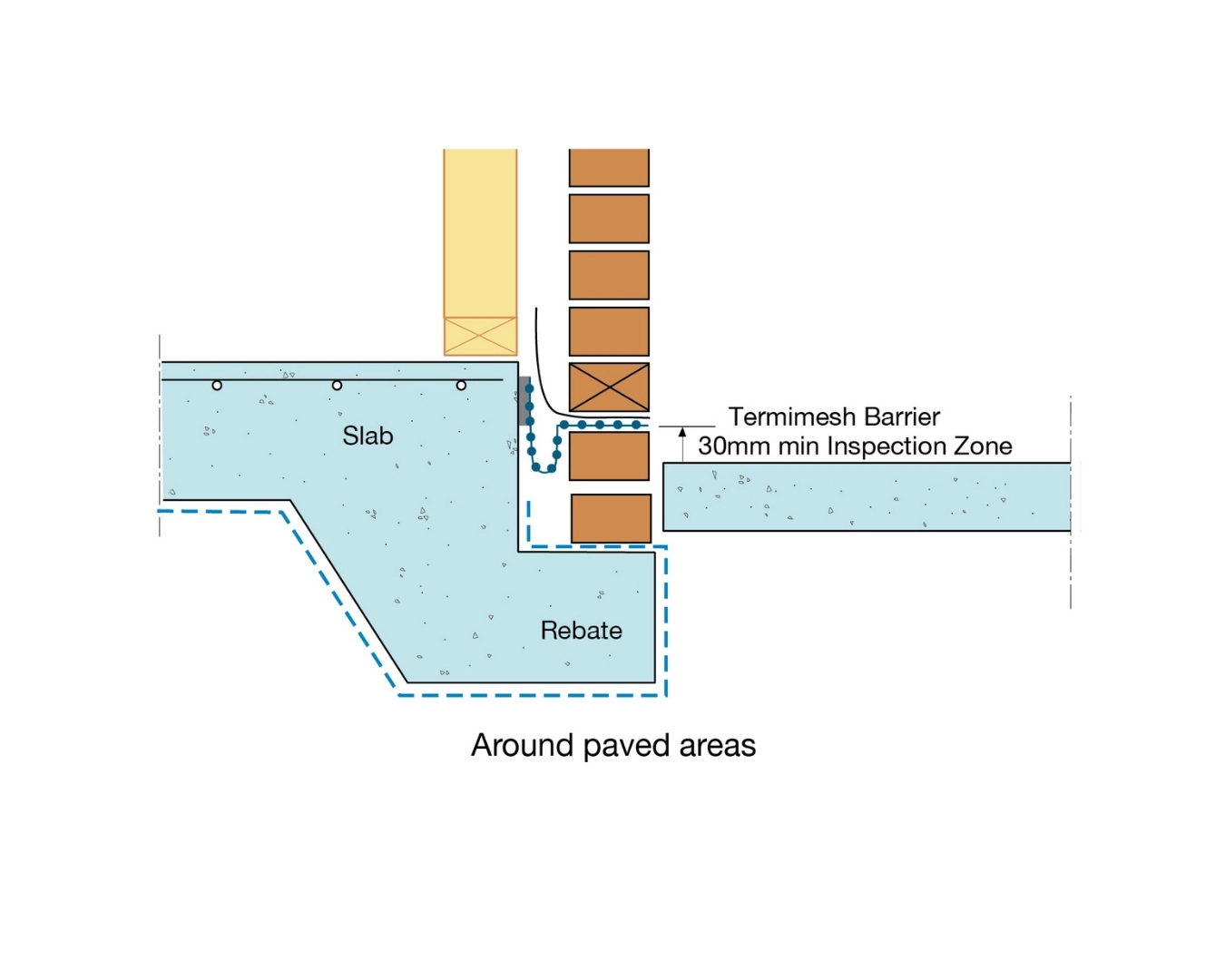
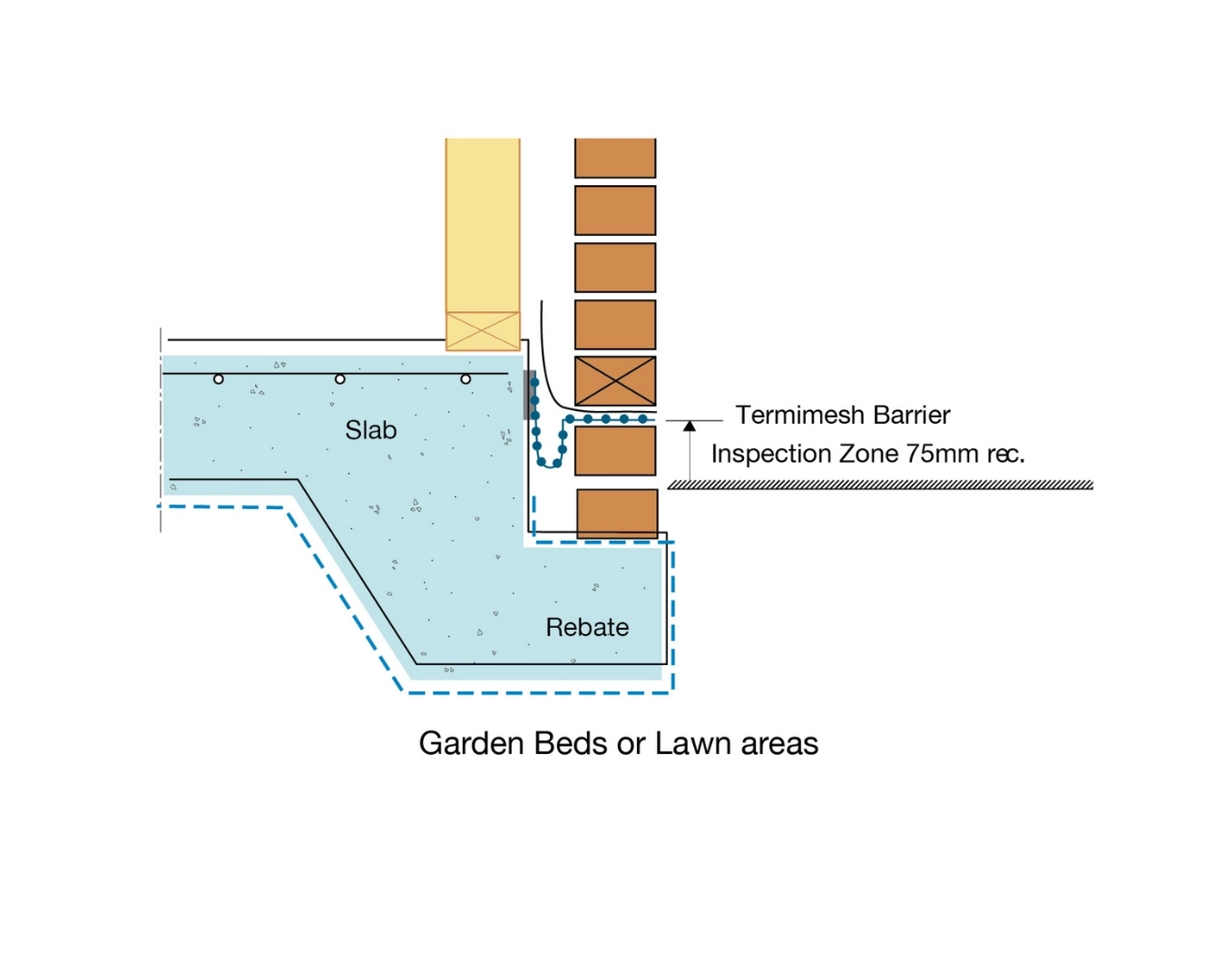
For concrete slab homes with the Termimesh System installed, the following visual inspection zone clearances apply:
- Garden beds and lawn areas: Require an inspection zone of 75 mm (Diagram 1)
- Concrete paths and brick paving: Require a minimum inspection zone of 30 mm (Diagram 2)
- Doorways: A minimum vertical inspection zone of 20 mm
Obstructions to visual inspection zones and how to keep them clear
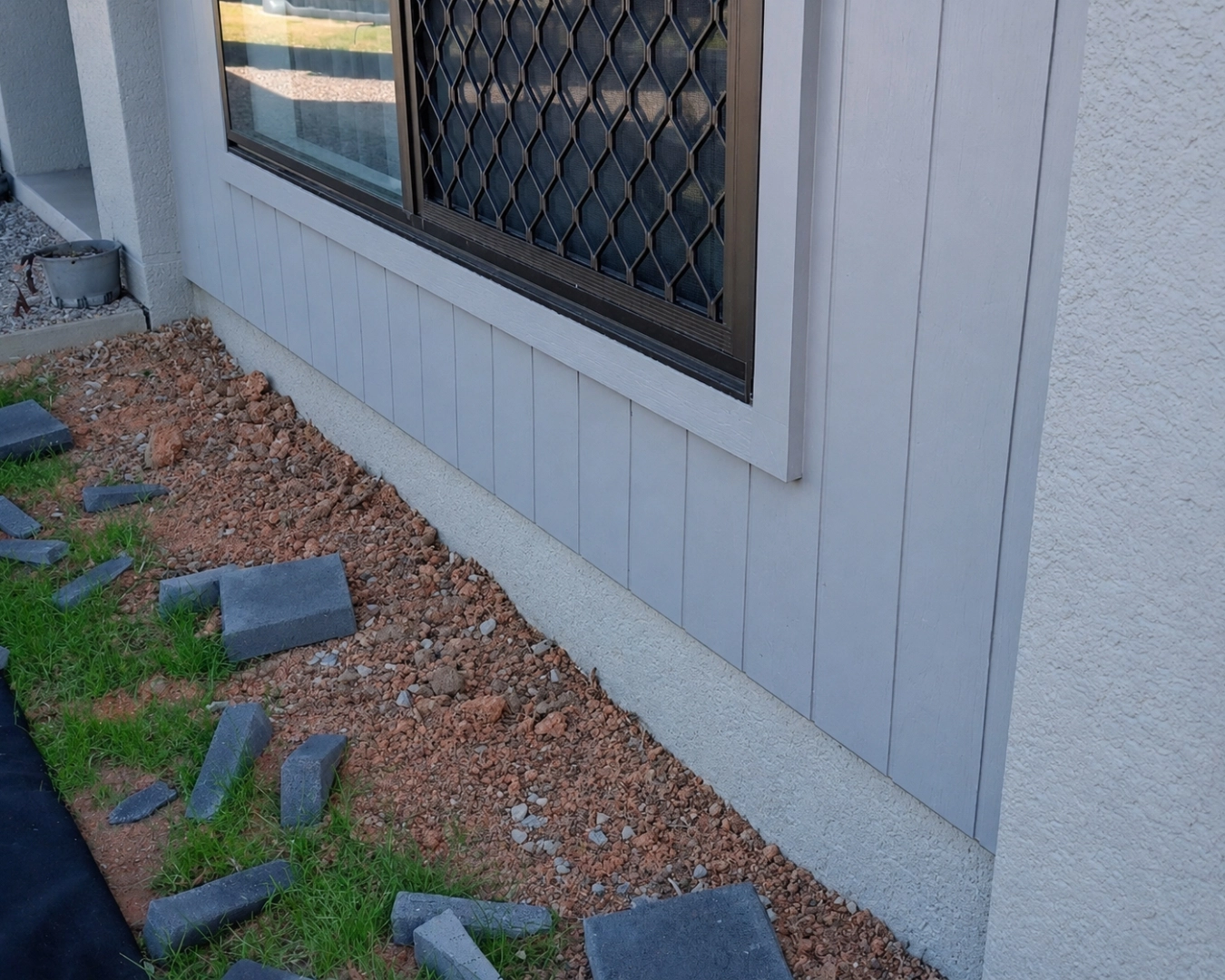
Soil, mulch, paving, decks and items stored against exterior walls can all obstruct termite visual inspection zones. These obstructions can develop from the everyday hustle and bustle around your property and can allow termite activity to go undetected.
Keeping inspection zones clear is the responsibility of the homeowner. Thankfully, simple maintenance and planning can help you manage this obligation. Here’s what to do for each type of obstruction.
Garden beds, mulch, soil and vegetation
Keep garden beds, soil and mulch below the required inspection zone. Trim plants and lawn edges so the wall surface remains visible. After gardening or topping up mulch, check the required clearance is maintained and remove any loose material covering the zone.
Building extensions, decks and paving
Before adding an extension, deck or paving, make sure your builder or installer allows for the required inspection zones and access. Keep finished paving below the clearance levels. If existing work obstructs an area, ask your termite management system installer what changes are needed to restore visibility and maintain protection.
Stored materials and other obstructions
Move stored items, firewood and pot plants away from exterior walls so the inspection zone remains visible and accessible. For fixed items such as water tanks, sheds and air conditioning units, ensure the visual inspection zone is observed before fitting. If an existing fixture blocks the zone, ask your installer how to restore inspection access.
Conclusion
Visual inspection zones work together with annual termite inspections and your installed termite barrier to help protect your home from termite entry and reduce the chance of termite damage going unnoticed.
Termite inspection zones are, quite simply, unobstructed areas near ground level around your home that make signs of subterranean termite activity easier to see. Mud tubes crossing these zones can indicate that termites have attempted to, or may have bridged, your termite barrier.
As a homeowner, keeping these zones clear plays a part in ensuring your termite management system continues to work as intended. Maintain the required clearances and make checking for obstructions part of your regular property maintenance.
If you notice mud tubes or other signs of termite activity in your inspection zones, contact our team immediately to arrange a professional termite inspection.
Frequently Asked Questions
Q. What should I do if I find mud tubes crossing a visual inspection zone?
If you discover termite mud tubes crossing a visual inspection zone around your home, the most important thing is to leave them undisturbed. Removing or damaging them can destroy evidence your pest management technician needs to assess the activity. Disturbing them may also cause the termites to move to other areas.
The next step is to contact your pest management provider to arrange a professional termite inspection. An inspection will confirm whether it’s termite activity.
Q. Do clear visual inspection zones replace the need for professional termite inspections?
No. Clear visual inspection zones make signs of termite bridging easier to see, but professional termite inspections are still needed to check for activity in other accessible areas of your home.
Q. Do obstructed visual inspection zones mean I already have termites in my home?
No. Obstructed visual inspection zones alone do not mean termites have entered your home. However, any obstructions could conceal signs of termite activity, which if undetected, could lead to subterranean termites entering your home.
Q. Are weep holes the same as termite visual inspection zones?
No. Weep holes are openings in brickwork that allow moisture to drain from wall cavities. Termite visual inspection zones are exposed areas left around the entire perimeter of a home so signs of termite bridging can be easily seen.
A visual inspection zone may be located below weep holes, but the openings themselves are not the inspection zone. It’s important to keep both weep holes and inspection zones clear of soil, mulch and other obstructions to allow them to function properly.
Q. Do obstructed visual inspection zones affect my termite barrier warranty?
Obstructed visual inspection zones could affect your termite barrier warranty.
If your warranty requires these zones to remain clear so signs of termite bridging can be identified during a termite barrier warranty inspection, failing to meet this requirement could affect your cover or eligibility to make a claim.
Review your termite barrier’s warranty documents for conditions relating to inspection zones and follow them. If any requirements are unclear, ask your termite barrier installer to explain them.