

Why Surface Preparation Matters for Epoxy Flooring
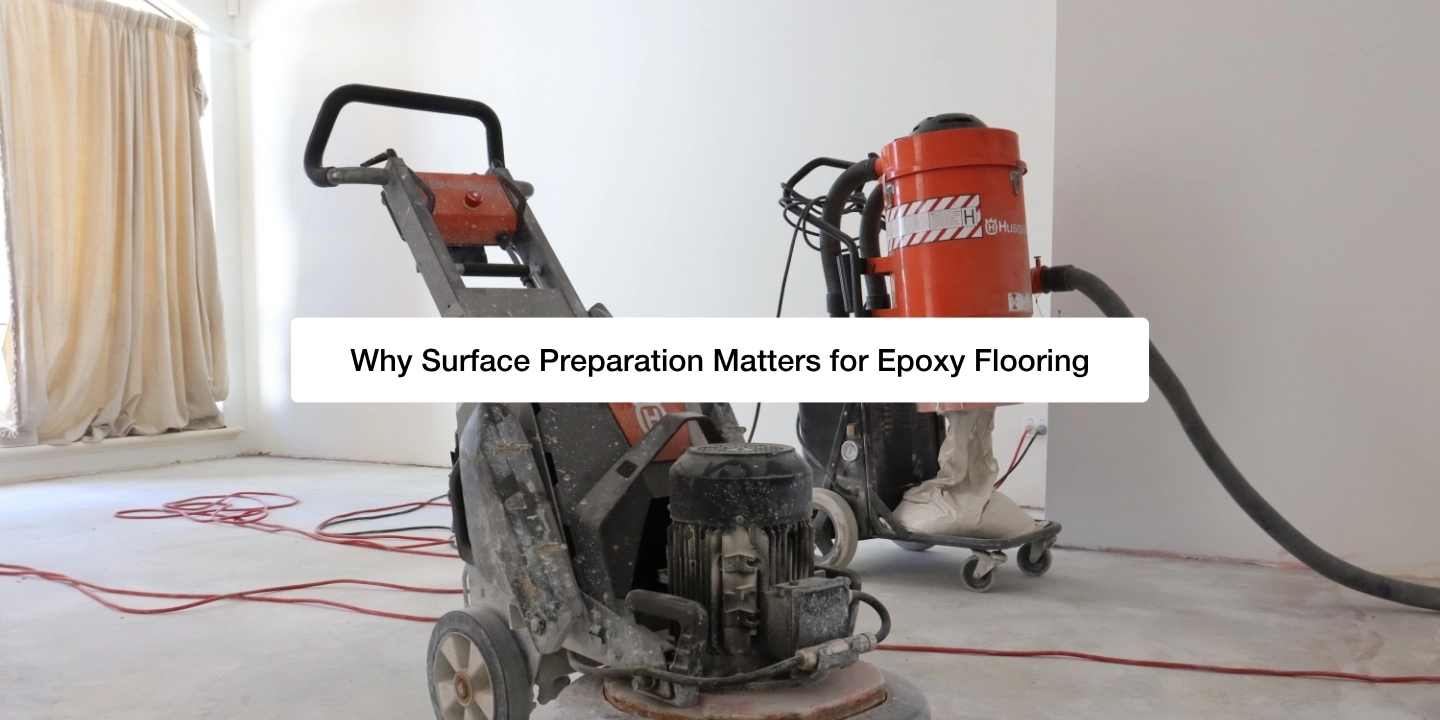
Table of Contents
- Why is surface preparation for epoxy flooring important?
- Epoxy floor issues linked to surface preparation
- Conclusion
- Frequently Asked Questions
You’ve probably heard the phrase “proper preparation prevents poor performance”, and when it comes to epoxy flooring, that couldn’t be more true.
Epoxy floor surface preparation takes time, but it is essential when an immaculate epoxy finish is the goal. Applying the layers of epoxy is the simple part. It’s what’s done during preparation that will help determine how the floor looks and performs once cured.
Effective epoxy floor preparation involves much more than just smoothing out a few surface defects. Contaminants need to be removed and any cracks repaired. The substrate must also be mechanically prepared for the epoxy layers to bond correctly.
Keep reading to find out why surface preparation for epoxy flooring is important and what problems can develop when it is not done properly.
What you need to know
- Peeling, lifting and separating can occur when the epoxy has not formed a secure bond with the substrate
- Bubbles and blisters may develop from insufficient preparation, but can also occur during product mixing, application or curing
- Contaminants, trapped air and unsuitable application conditions can contribute to fisheyes and surface craters
- Untreated cracks and imperfections may remain visible after the epoxy floor has cured
- Poor preparation can contribute to colour variation, changes in texture, a patchy appearance and visible low spots
Why is surface preparation for epoxy flooring important?
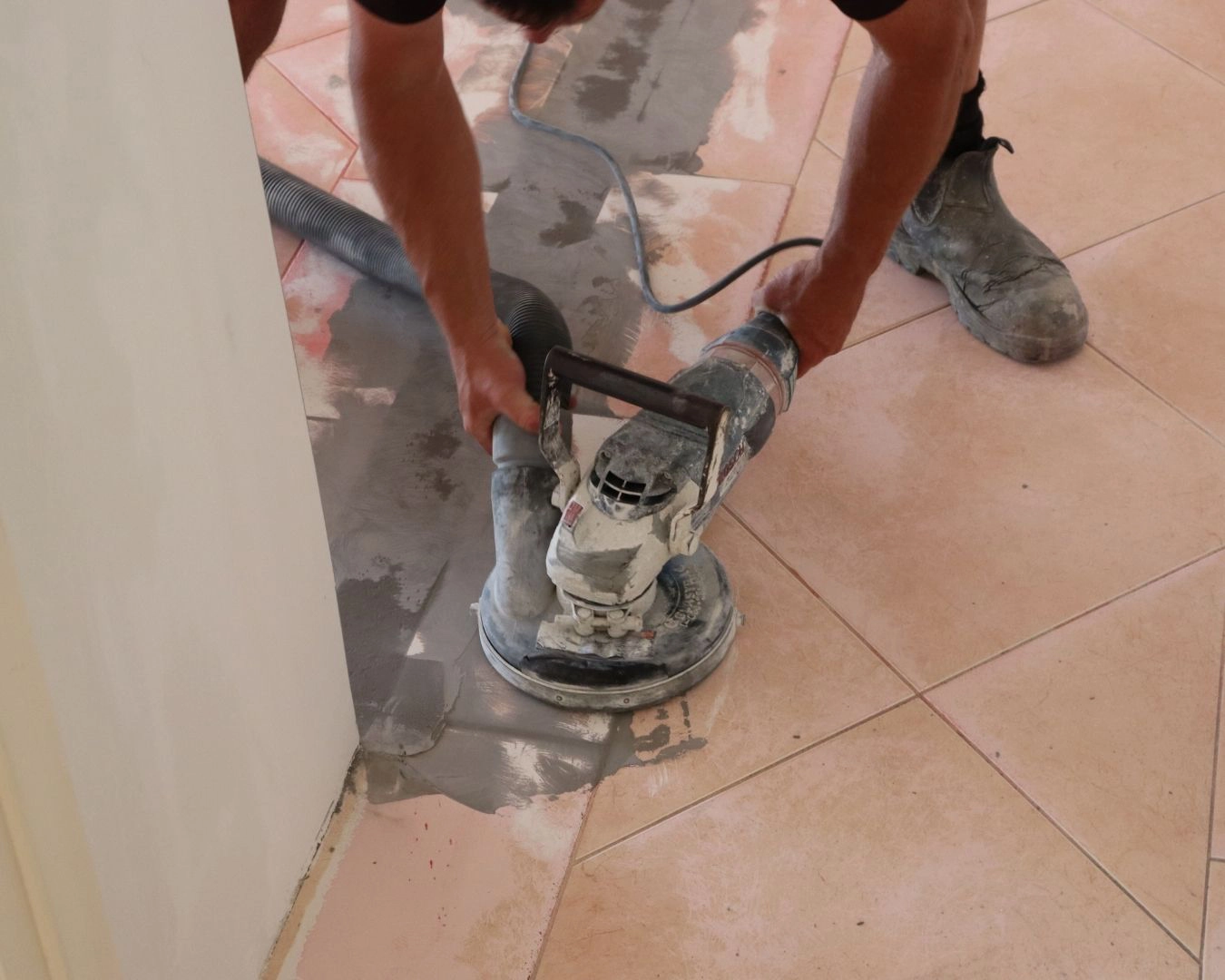
Epoxy flooring requires a strong bond with the surface underneath, no matter whether the substrate is concrete, tiles or another suitable surface. To form this bond, the substrate must be clean and suitably textured so the coating can adhere correctly. Without sufficient preparation, the epoxy floor may wear prematurely and fail before reaching its expected service life.
Every Termishine epoxy floor installation begins with a thorough evaluation of the substrate to determine what preparation is required. We assess every job individually to ensure a high-quality finish. However, it is important to note that despite the meticulous care our teams take in the preparation process, minor visual imperfections may still occur.
Epoxy floor issues linked to surface preparation
There are several issues an epoxy floor can develop when the substrate beneath has been inadequately prepared. However, some of these epoxy floor defects may also result from:
- Insufficient product mixing
- Incorrect product measurement
- Slow application of product
- Product disturbance during curing
Peeling, lifting and separating
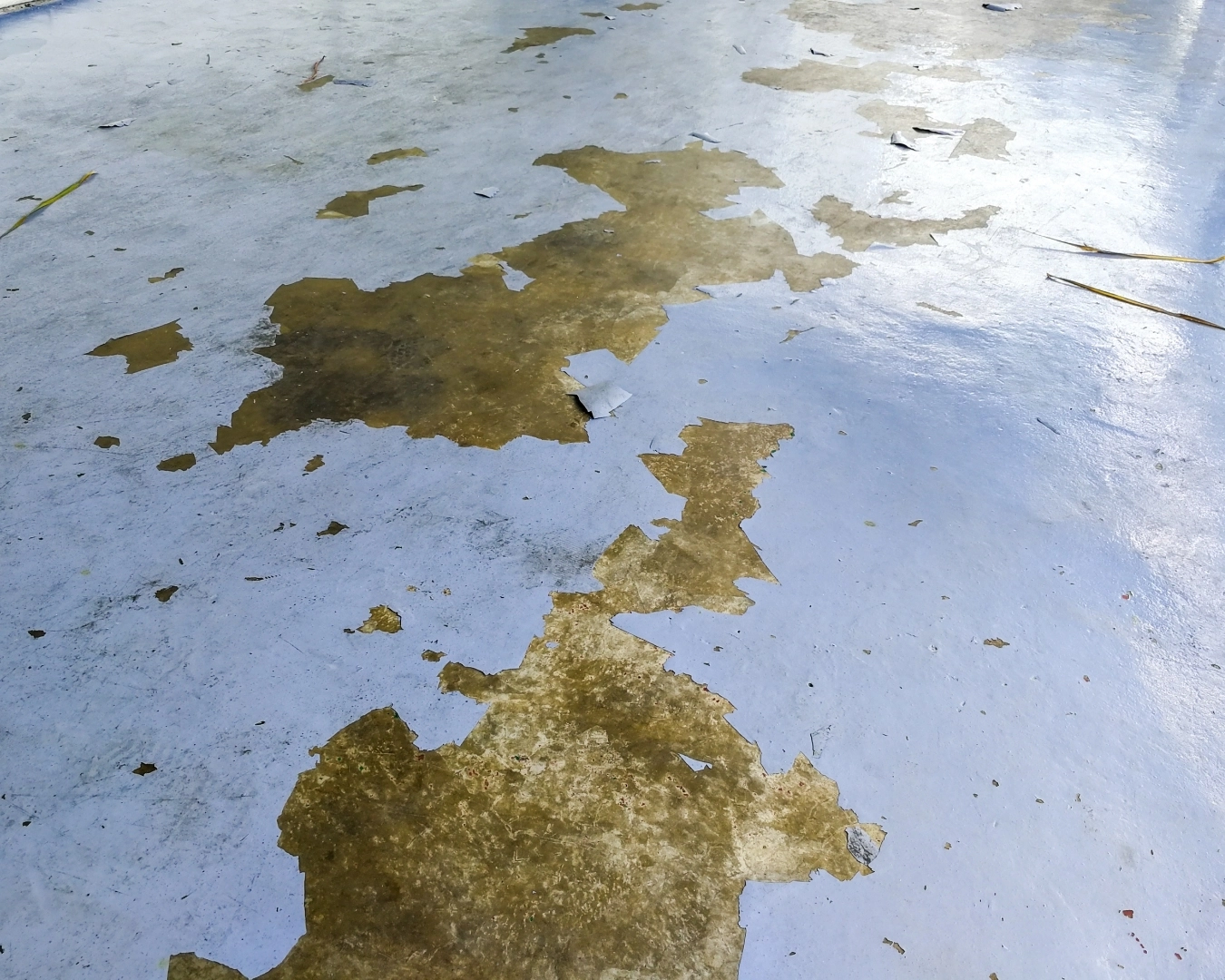
Peeling, lifting and separating are all adhesion issues an epoxy floor can encounter when a secure bond with the surface underneath hasn’t been formed. This loss of adhesion is known as epoxy delamination.
Delamination can happen when dirt, oil, grease or existing coatings are not fully removed before applying epoxy coats. Weak surface material or a surface that is too smooth may also cause the epoxy to delaminate.
Bubbling and blistering
Bubbles and blisters can form in an epoxy floor for several reasons. Some relate to the condition of the substrate, while others happen during product mixing, application or curing:
- Air or moisture vapour becomes trapped beneath or within the epoxy coating
- Excess moisture is present within the substrate
- Air is introduced into the epoxy during mixing
- Temperature changes occur during application or curing
Fisheyes and surface craters
Fisheyes are small, circular depressions that form when epoxy resin pulls away from an area instead of spreading evenly across it. Surface craters, on the other hand, are small indentations that remain in the epoxy finish.
Both can be caused by trace amounts of contaminants remaining on the substrate, insufficient mixing and unsuitable application conditions. Surface craters can also form when trapped air rises and breaks through the coating.
Visible substrate cracks and imperfections
Epoxy coating systems can create a smooth, even finish, but untreated cracks and imperfections may remain visible after the floor has cured.
Cracks in concrete substrates are not unusual. Our teams come across them regularly. The severity of a crack and how it is treated are key considerations that can affect the appearance of the finished floor.
Stable, non-structural cracks may be suitable for repair during preparation, while active cracks or those that may indicate a structural issue could require further assessment before work proceeds. If a crack is caused by ongoing movement within the substrate, it may reappear through the finished floor.
An uneven or inconsistent finish
Poor surface preparation can lead to an uneven or inconsistent final finish for an epoxy floor.
Once cured, these issues might be present:
- Colour variation
- Changes in texture
- A patchy topcoat appearance
- Visible low spots
Conclusion
Surface preparation directly influences the final appearance of an epoxy floor, how it bonds and performs after it has cured. If the substrate has not been sufficiently cleaned, suitably textured or repaired, the epoxy coating may develop issues such as peeling, lifting or bubbling.
However, preparation is not the only factor that can affect the appearance and performance of a finished epoxy floor. Problems during product mixing, application or curing can also cause defects.
The preparation work required for an immaculate epoxy floor finish is obscured after application, but its impact is not. Preparing the substrate correctly helps the epoxy coating bond, reduces the risk of visible defects and supports the floor’s ability to reach its expected service life.
If you are considering an epoxy floor for your home or business, contact your local Termishine team to discuss what is involved in achieving your dream floor.
Frequently Asked Questions
Q. What happens if a substrate is not fully prepared before applying epoxy coats?
A. The epoxy coats may not form a secure bond or produce a consistent finish. Inadequate preparation could lead to peeling, lifting and bubbling, among other defects.
It may also cause the finished floor to wear prematurely or fail before reaching its expected service life.
Q. Is cleaning concrete enough preparation to prevent an epoxy floor from failing?
A. No. Cleaning concrete alone is not enough preparation to prevent an epoxy floor from failing.
Cleaning is one of several surface preparation steps required to create the conditions needed for epoxy coats to adhere correctly. Completing all required preparation helps reduce the risk of premature floor failure.
Q. Do epoxy floor defects always mean the surface was prepared incorrectly?
A. No. Inadequate surface preparation is just one possible cause of epoxy floor defects.
Problems during product mixing, application or curing could also cause defects to develop in a finished epoxy floor.
Q. Can epoxy flooring hide cracks and imperfections in concrete?
A. No. A finished epoxy floor cannot reliably hide cracks or imperfections that were not repaired before application.
Epoxy coating systems can create a smooth, even finish, but untreated cracks and imperfections may remain visible after the floor has cured.
Q. Can moisture in the substrate cause an epoxy floor to bubble or blister?
A. Yes, absolutely. Excess moisture within a substrate can cause moisture vapour to become trapped beneath or within the epoxy coats. This can contribute to bubbles or blisters forming as the floor cures.