Beyond Structural Compliance: Termite Management in Commercial Projects
Table of Contents
- When does the NCC require termite management in commercial projects?
- The damage termites can cause internally to a commercial project.
- Why termite management should be considered during the design process
- How the Termimesh System supports commercial projects
- Conclusion
- Frequently Asked Questions
The National Construction Code (NCC) describes termite actions necessary for determining a building’s structural reliability. Even so, a termite management system may not be required for every commercial project to satisfy applicable Performance Requirements. This may include projects in areas where subterranean termites are known to present a potential risk of attack.
This distinction is central to termite management in commercial projects. Satisfying NCC requirements on builds where a termite management system is not deemed necessary does not prevent termite entry or eliminate the potential for termites to reach susceptible materials within the completed building.
In this article, we explore the NCC requirements for termite management, the damage subterranean termites can cause within a completed building and why termite management should be considered early in the design process.
What you need to know
- A commercial project may satisfy the NCC’s structural requirements without a termite management system
- Subterranean termites can still reach susceptible materials and contents, even if the Primary Building Elements are materials considered not subject to termite attack
- Termite damage can disrupt operations, restrict building access and create costs beyond repairs
- Considering termite management during design gives project teams more options for integrating a system during construction
- Earlymark’s SpecSuite gives architects and designers access to verified Termimesh System information for project schedules and specifications
When does the NCC require termite management in commercial projects?
The NCC provides three pathways through which a commercial project can demonstrate compliance with the applicable Performance Requirements, including those relating to termite action.
- A Deemed-to-Satisfy Solution follows the requirements prescribed by the NCC and its referenced standards
- A Performance Solution uses a project-specific alternative that is assessed against the relevant Performance Requirements
- A combination solution uses Deemed-to-Satisfy provisions for some parts of the project and Performance Solutions for others
The Deemed-to-Satisfy pathway clearly illustrates the circumstances in which a termite management system may not be required on a commercial project. Two questions determine this outcome:
- Is the building in a termite risk area?
- Are the primary building elements subject to termite attack?
If the answer to both questions is “yes”, an appropriate termite management system that complies with AS 3660.1 is required.
However, a project in a termite risk area may not require a system if the Primary Building Elements are made from materials the NCC considers not subject to termite attack. These materials include concrete, masonry and fibre-reinforced cement.
The following NCC flow chart illustrates this decision process.
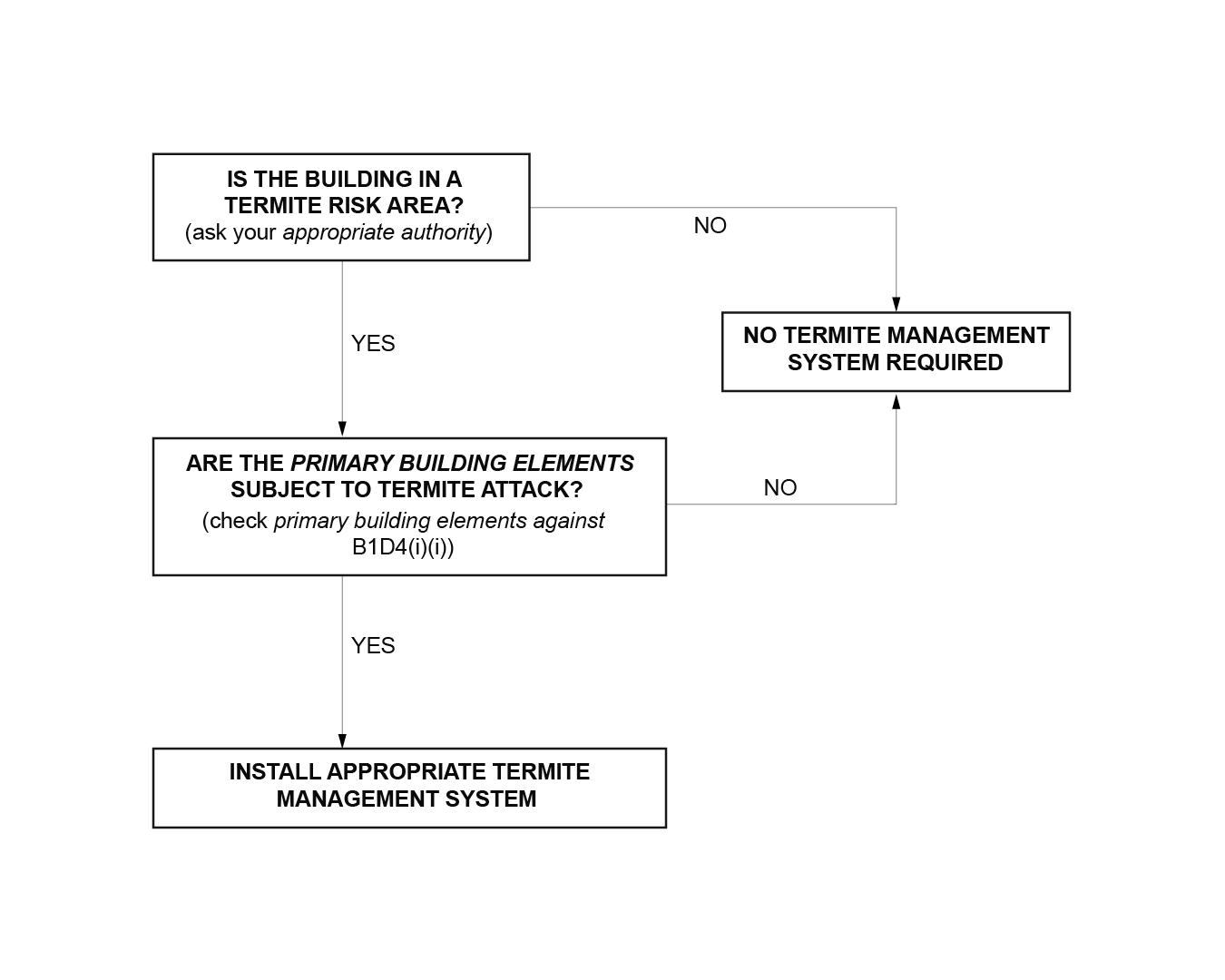
NCC Deemed-to-Satisfy pathway determining if a termite management system is required to achieve structural compliance
Why an NCC-compliant commercial project without a termite management system could still be vulnerable to termites
A commercial project without a termite management system can remain vulnerable because the material composition of its Primary Building Elements alone does not manage the risk of concealed termite entry.
Although the NCC does not consider these materials at risk of termite attack, cellulose-based materials elsewhere in the completed building, such as floorboards, cupboards and furniture, may remain susceptible. Without appropriate termite management measures, subterranean termites may use concealed entry points to reach these internal fixtures without visible signs of activity.

What can happen when termite management is omitted from a commercial project?
In an Earlymark Spec the Truth podcast episode, Drew Wilson from Termi Home & Commercial Adelaide provides an example of what can happen when a commercial project complies with NCC requirements but omits termite management.
The project in question had no structural timber elements, so a termite management system was not required to satisfy requirements. However, within 18 months of construction, subterranean termites had entered the completed building and caused approximately $48,000 in damage.
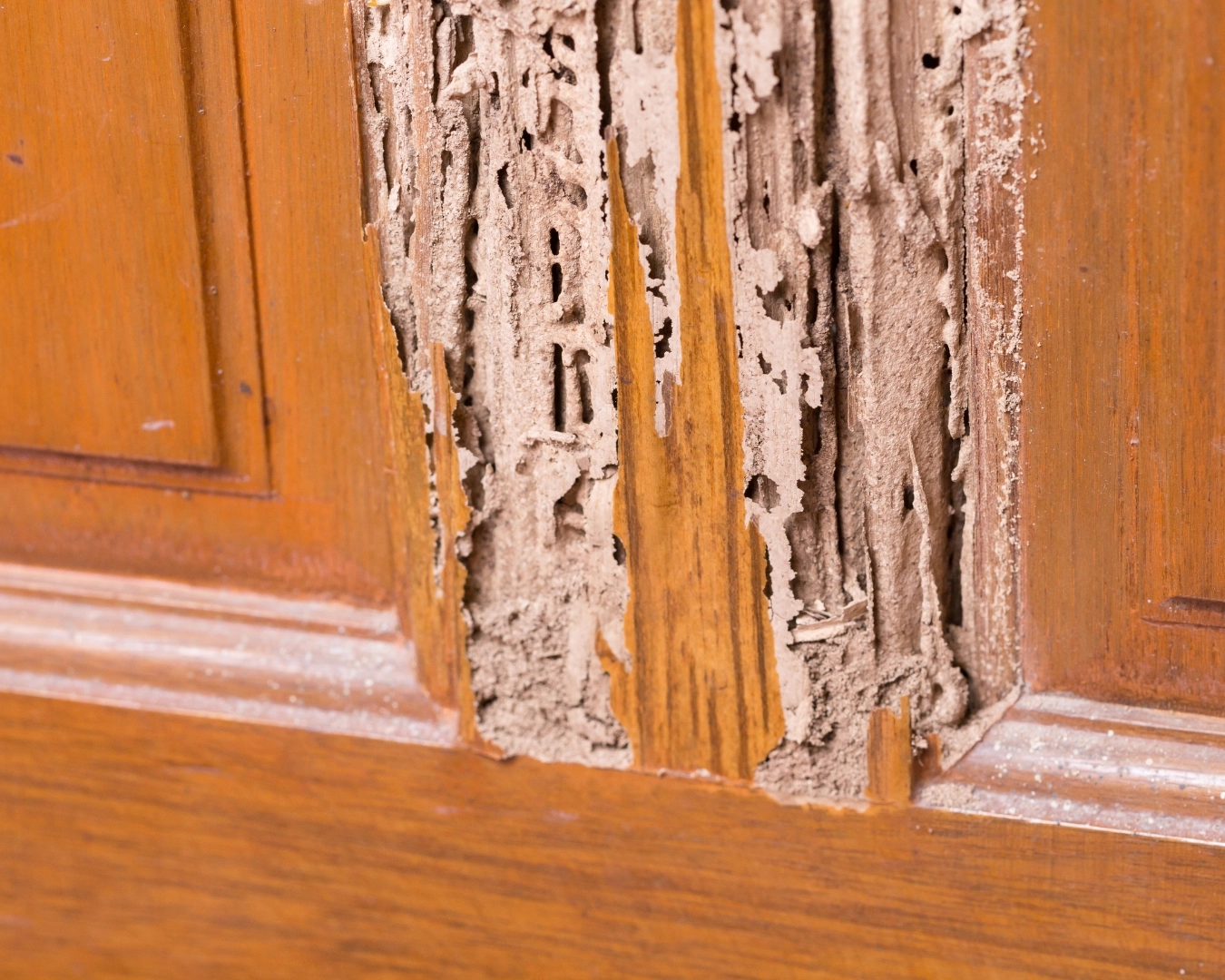
The termites damaged skirting boards, architraves, plasterboard and kitchen cupboards. Although the damage was considered cosmetic rather than structural, the owner was left to fund the repairs and address termite management retrospectively.
This is an important consideration as insurance policies do not cover timber damage caused by subterranean termites. Termite damage is considered gradual. Therefore, measures can be put in place to avoid it, unlike fires, floods and storms, which can occur suddenly.
This example demonstrates that termites do not distinguish between structural and non-structural cellulose-based materials. While a commercial project can use Primary Building Elements deemed not subject to termite attack, this doesn’t prevent termites from reaching other materials within the building if a termite management system isn’t installed.
Watch the full podcast episode featuring Drew, Spec the Truth: Future-Proofing Architecture—Termite Protection That Outlasts the Build, below.
The damage termites can cause internally to a commercial building
If subterranean termites enter a commercial building, cellulose-based materials susceptible to termite damage may include:
- Plasterboard walls and ceilings
- Timber skirting boards and architraves
- Timber doors and frames
- Cabinetry, joinery and other fit-out elements
- Furniture
- Books, documents and archived records
- Cardboard packaging and stored paper products
Many of these materials may be partly concealed, making them difficult to inspect. This can allow termite activity and damage to occur unnoticed until too late when visible signs appear.
The commercial consequences of termite damage that extend beyond repair costs
A building constructed with Primary Building Elements not considered susceptible to termite attack or built in an area identified as low risk, does not exclude it from the risk of concealed termite entry.
Termites entering a building can cause commercial consequences beyond just repair costs. Disruptions from termite damage can include:
- Temporary disruption to normal operations or occupancy
- Restricted access while affected areas are investigated, treated and reinstated
- Additional costs and delays when damaged stock must be replaced
- Time spent recovering damaged physical records
- Coordination between pest management technicians, builders and specialist trades
- Expenditure on retrospective termite management measures to manage future termite risk
- Reputational impact due to loss of production or stock
Why termite management should be considered during the design process
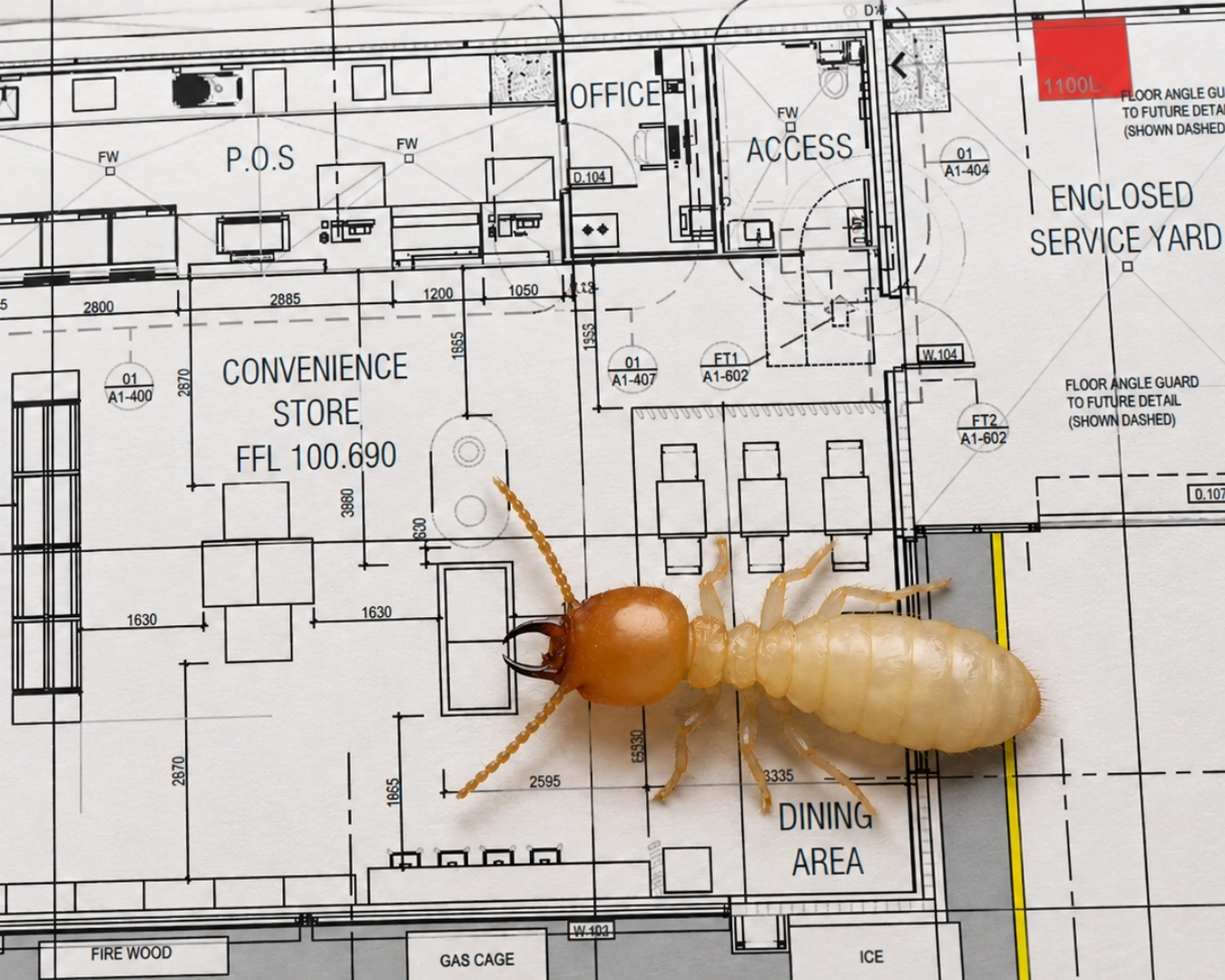
Considering termite management early in the design process can mean the difference between a fully integrated system and a partially protected project. Retrofitting termite control measures after construction can be complicated, disruptive, offer limited available options and often increase installation costs.
For example, physical termite barriers are installed during construction at locations such as slab penetrations and within brickwork. Accessing these locations after completion can require building components to be removed and reinstated, making retrospective installation impractical, costly or impossible.
Designing with termite management in mind allows installation to be scheduled at the appropriate construction stages and helps protect the building from the outset.
What should specifiers consider when selecting a termite management system?
Beyond simply meeting compliance requirements for termite risk management, designers and specifiers should consider several factors to determine the most suitable termite management system for their project.
Factors to consider include:
- Which areas of the building require protection
- Compatibility of the system with relevant construction details
- The construction stages at which components must be installed
- Evidence that the system meets NCC requirements
- Future inspection, maintenance and retreatment requirements
- Availability of product documentation, specification support and construction details
- Warranty or guarantee conditions and the obligations required to maintain coverage
- The knowledge and experience of the team installing the system, particularly across large or multi-location projects
These factors should be assessed together rather than in isolation. A system may satisfy compliance requirements but still be unsuitable for the project’s design, construction program or long-term termite management needs.
How the Termimesh System supports commercial projects
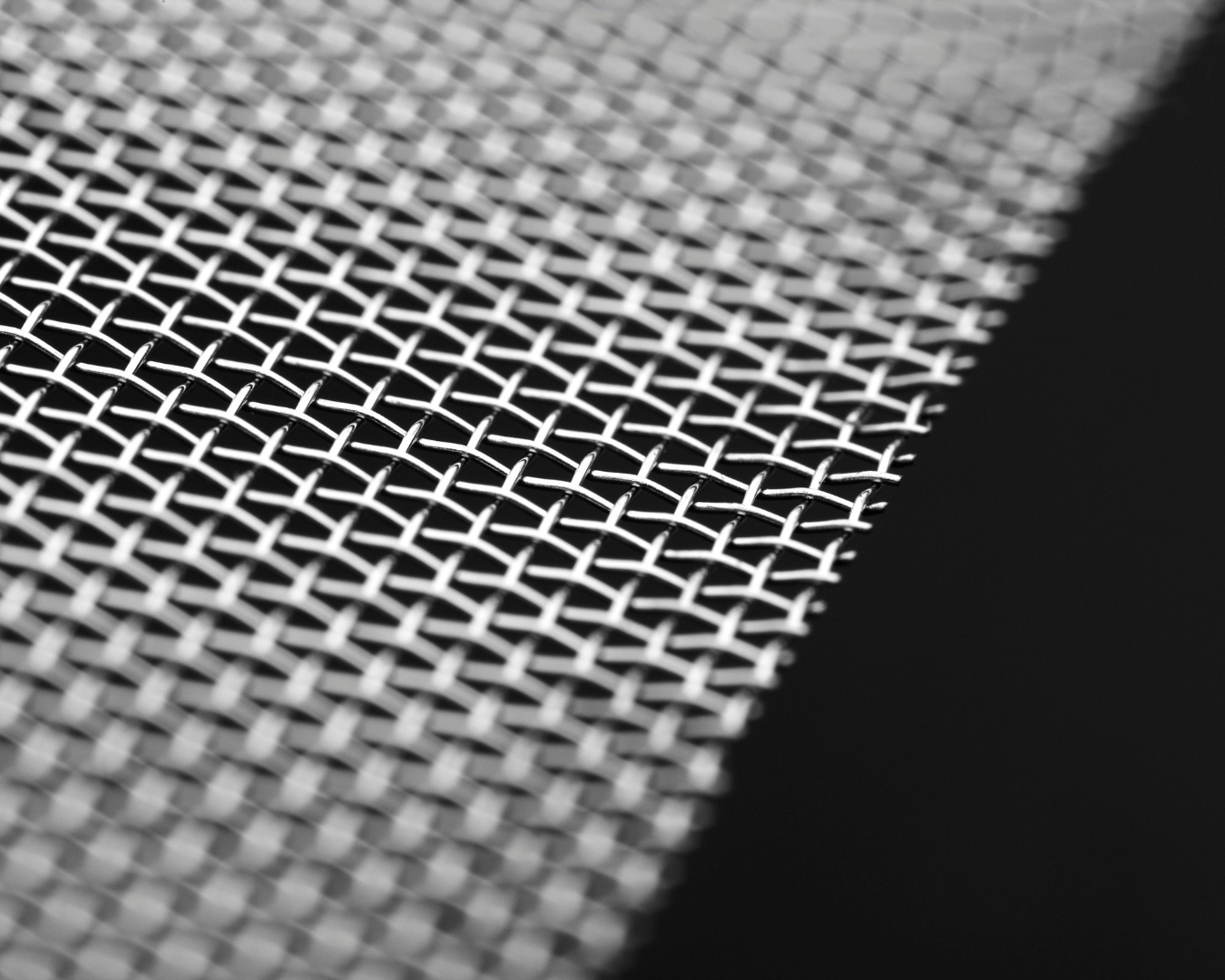
The Termimesh System is regularly specified and installed in commercial projects across Australia, for reasons including its physical composition and flexibility for integration into projects of varying scale and complexity. In addition, our industry-leading Termimesh Pledge Guarantee delivers another level of protection long after installation.
Behind the Termimesh System is a network of technical specialists and trained installers who support project teams from design through to installation. This support covers:
- Project-specific advice outlining termite management requirements
- Assistance with complex construction details
- Installation coordinated with wider construction programs
- Supporting documentation and reference materials
- Custom installation details for specific construction challenges
Learn more about the physical composition of the Termimesh System here.

How Earlymark makes specifying the Termimesh System easy
We’ve partnered with Earlymark to further support construction professionals in specifying the Termimesh System. The SpecSuite platform makes it easy for architects and designers to access our verified product information and incorporate the system directly into project schedules and specifications.
Different tools within Earlymark’s SpecSuite platform support the specification of termite management in commercial projects:
- EarlySelect – Select a termite management system and incorporate it directly into project schedules using verified product information
- EarlySpec – Create and manage detailed project specifications that document termite management requirements and the selected system
- EarlyPlugin – Link termite management specification information with Revit models to maintain consistency as project documentation changes
- EarlySupport – Access specification guidance and targeted training when additional assistance is required
Conclusion
A commercial project may not require termite management according to NCC compliance guidelines, but this does not mean the building is immune to termite damage.
Primary Building Elements composed of materials not considered susceptible to termite attack do not automatically prevent subterranean termites from accessing concealed entry points. If a termite barrier has not been installed, termites may still cause damage to cellulose-based materials elsewhere in the structure.
The consequences can extend beyond repair costs and the expense of retrospective termite management measures. The impact may mean restricted building access, damage to stock and records, not to mention reputational harm caused by disruptions to operations.
Termite risk management should always be considered, not only for structural compliance but also to protect internal fixtures and contents.
Early inclusion in the planning process allows the design team to select a termite management system most suited to the project. The construction style, onsite support and warranty terms should also be considered during selection of the termite management system. Keeping these matters front of mind can prevent costly retrospective installations and protect the building long after construction is complete.
If you have any questions about incorporating a termite management system into your next project, get in touch with our termite management experts.
Frequently Asked Questions
Q. How can architects specify the Termimesh System through Earlymark?
Earlymark’s SpecSuite platform streamlines the specification of the Termimesh system, simplifying the process for architects.
- EarlySelect – Select the Termimesh System using verified product information and incorporate it directly into project schedules
- EarlySpec – Develop and manage the project’s specification of the Termimesh System
Q. Is the Termimesh System information on Earlymark manufacturer-verified?
Yes. The Termimesh System product information available through Earlymark is manufacturer-verified. This gives architects and specifiers confidence that the information used in project schedules and specifications reflects approved product details.
Q. What Termimesh System specification resources are available to access?
Architects can access our Termimesh System specification, CodeMark Certificate of Conformity, 150+ specification diagrams and more by visiting our architect resources page.
Q. What can subterranean termites damage inside a commercial building?
Subterranean termites can not only damage materials that contribute to the structural performance, but any cellulose-based materials throughout a commercial building. If termites enter a commercial building, susceptible materials and contents may include plasterboard, cabinetry, furniture and paper documents.
Q. Does the Termimesh System require chemical retreatments?
No. The Termimesh System is a physical termite management system that does not rely on chemical termiticides. Post-construction chemical retreatments are therefore not required to maintain the effectiveness of Termimesh.
The poison free feature of Termimesh regularly leads to the system being specified and installed into government infrastructure projects, such as the Queensland Government’s Satellite Hospital program and Perth Zoo’s new visitor centre and cafe, where chemical termite management systems have been purposefully avoided to achieve project outcomes.