

16 Questions We Get Asked Before a Pest Service
If you’ve booked a professional pest control treatment, it’s natural to have questions about what will happen on the day and how it may affect your household.
Below, we’ve answered some of the frequently asked questions our technicians and customer service staff receive before a pest control service. For any questions you have that we haven’t covered, speak with your technician before your treatment begins.
Q. How long does a pest control service take?
A. The time required for a pest control service can vary depending on the size of your property, the type of pests being treated and the extent of the infestation.
In most cases, a general pest treatment for a standard residential property takes between 45 minutes and two hours to complete. Larger homes, more complex properties or treatments targeting specific pests may take longer.
Your technician can provide a more accurate timeframe once they assess the property and confirm the treatment required.
Q. How long will it take for my treatment to dry?
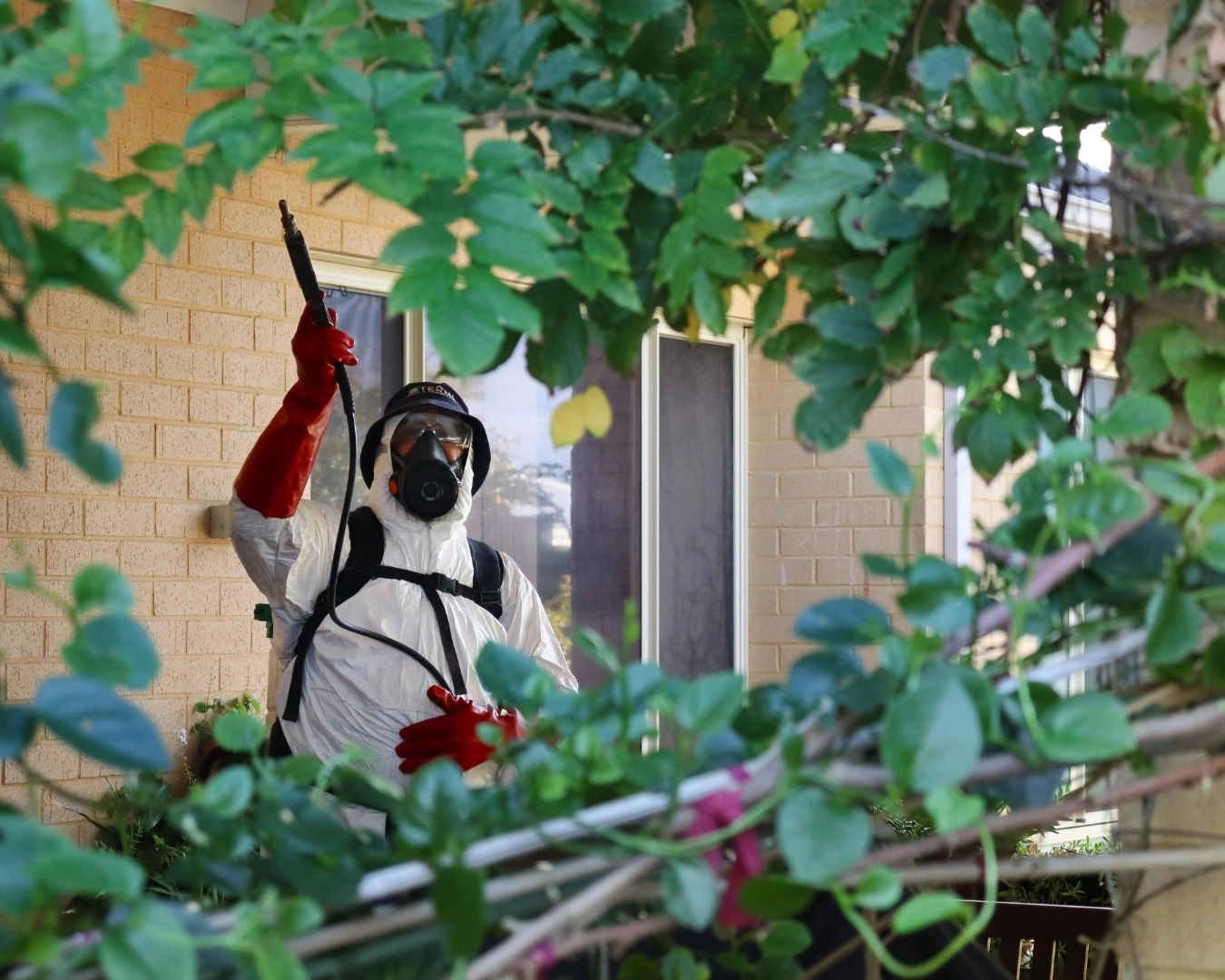
A. Outdoor spray treatments generally take 1-2 hours to dry. Depending on weather conditions and the treatment applied, drying times may be shorter or longer. Rather than needing to completely dry, internal pest treatments, such as gels, dusts and baits, require a short period of time to settle.
If you would like to know the specific drying time for your treatment, speak with your pest control technician before your treatment begins.
Q. Can I stay at home during my treatment?
A. Yes. It is safe to stay at home during your pest treatment, provided you stay inside while external sprays are being applied and you keep all doors and windows shut until it is completely dry.
If you have children or pets, keep them inside during the treatment and do not allow them outside until it has completely dried.
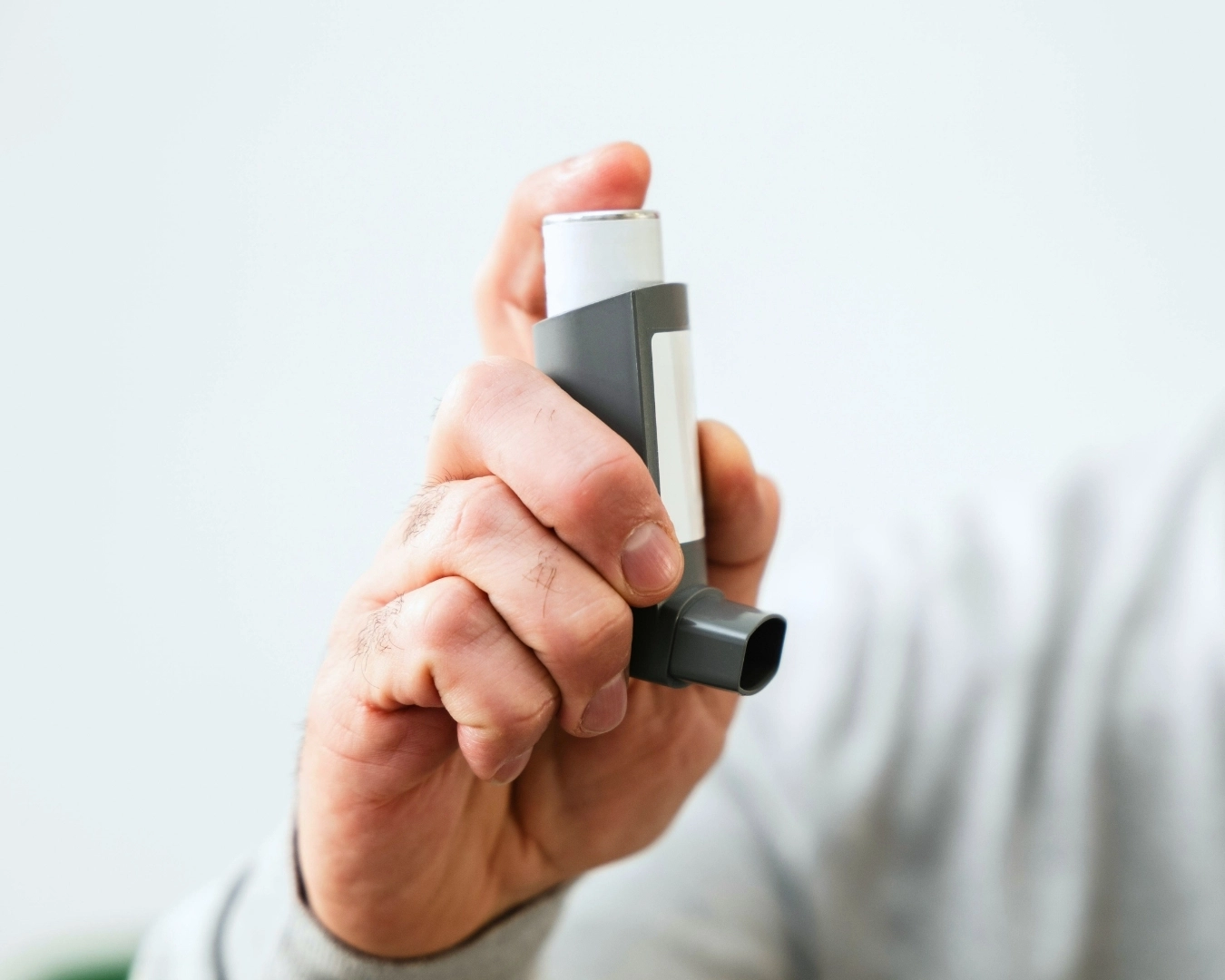
Q. Are pest control treatments safe if I have asthma or allergies?
A. Yes. When pest treatments are applied by a professional in controlled amounts and to targeted areas, they are considered safe for asthma or allergy sufferers.
If you have asthma, allergies or any other medical conditions that you believe may be affected by your treatment, advise your technician beforehand.
Q. Are pest control treatments safe if I am pregnant?
A. Yes. When pest treatments are applied by a professional in controlled amounts to targeted areas, they are safe.
If you are pregnant, it is a good idea to let your technician know before your treatment begins. They can explain the products being used, where they will be applied and whether any precautions are recommended during or after the treatment.
Q. Do spray treatments smell or leave residue?
A. Spray treatments generally don’t have a smell, with most products being odourless. As your treatment dries, any odours that may be present will dissipate.
You may notice a slight damp appearance on treated surfaces immediately after application. Residue from spray treatments is typically minimal when products are applied correctly and have been allowed to dry completely.

Q. How do I prepare for my treatment?
A. Preparing for your pest treatment is simple. The following steps should be completed before your technician arrives to help ensure your family remains safe while allowing the treatment to achieve maximum effectiveness.
- Relocate items left outside, such as pet bowls, pet bedding or children’s toys, to prevent exposure to external spray treatments.
- Remove clothes from your washing line to avoid any contact with external spray treatments.
- Shift any furniture or stored items blocking access to subfloors or roof voids, as your technician will likely need to access these areas.
- Shut all open windows and doors to prevent spray treatments from entering your home.
- If you are staying at home during your treatment, make sure children and pets are inside before it begins.
If your pest control technician provides any instructions beforehand, follow them carefully to ensure they can apply the treatment safely and effectively.
Q. Should I tell my technician if I’ve already used DIY pest control products?
A. Yes. If you’ve applied DIY pest control products around your home, it’s important to let your technician know what was used and where it was applied before your treatment begins.
Both the presence of DIY pest control products and their incorrect application can affect how a professional treatment is carried out. Informing your technician beforehand allows them to plan the most appropriate treatment for your property.
Q. Do I need to leave my house if I have young children or a baby?
A. All pest treatments are safe when applied in a proper controlled manner, so in most cases, you do not need to leave your house during the service. However, if you have concerns about how your children or baby may react, it is best to leave your property until the treatment has completely dried.
If you choose to stay home, keep a close eye on your children to ensure they don’t disturb any internal treatments, such as gels applied inside cupboards and bathroom vanities. When external spray treatments are being applied, keep your children inside and allow the treatment to dry completely before letting them outside.
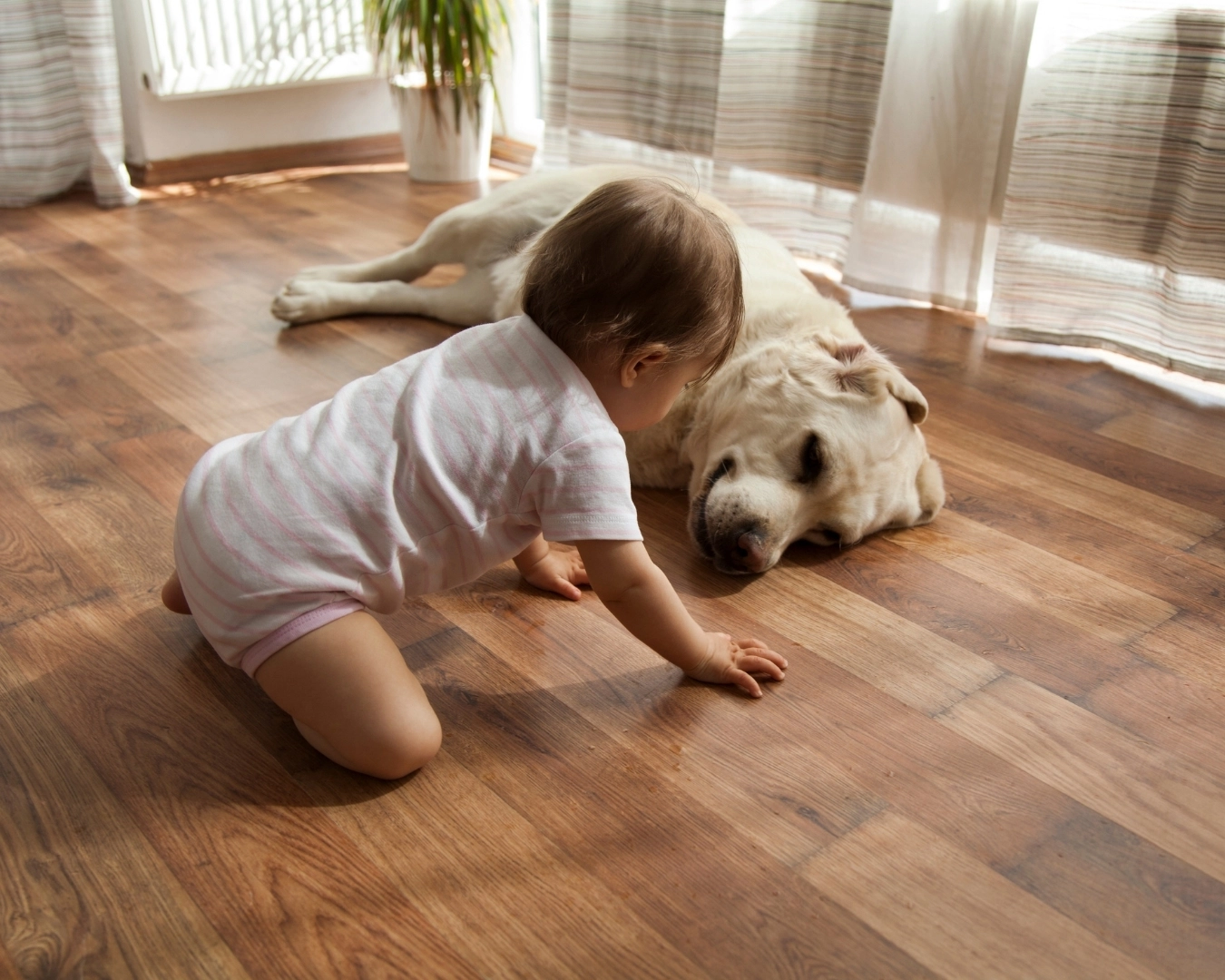
Q. When can my children and pets crawl around on the floor again?
A. Pest treatments inside your home are not typically applied to floors, making them safe for children and pets to crawl on once your technician has completed the service.
Internal treatments, such as gels, may be applied inside cupboards or bathroom vanities, so ensure your children and pets do not access these areas.
Q. Is it okay for my pet to be at home during a treatment?
A. Yes, most pets can stay at home while a pest treatment is being applied. To avoid any health complications, supervise your pets closely and keep them away from treated surfaces until they are completely dry.
If you have any concerns, speak with your technician beforehand to determine whether any additional precautions are required to keep your pet safe.
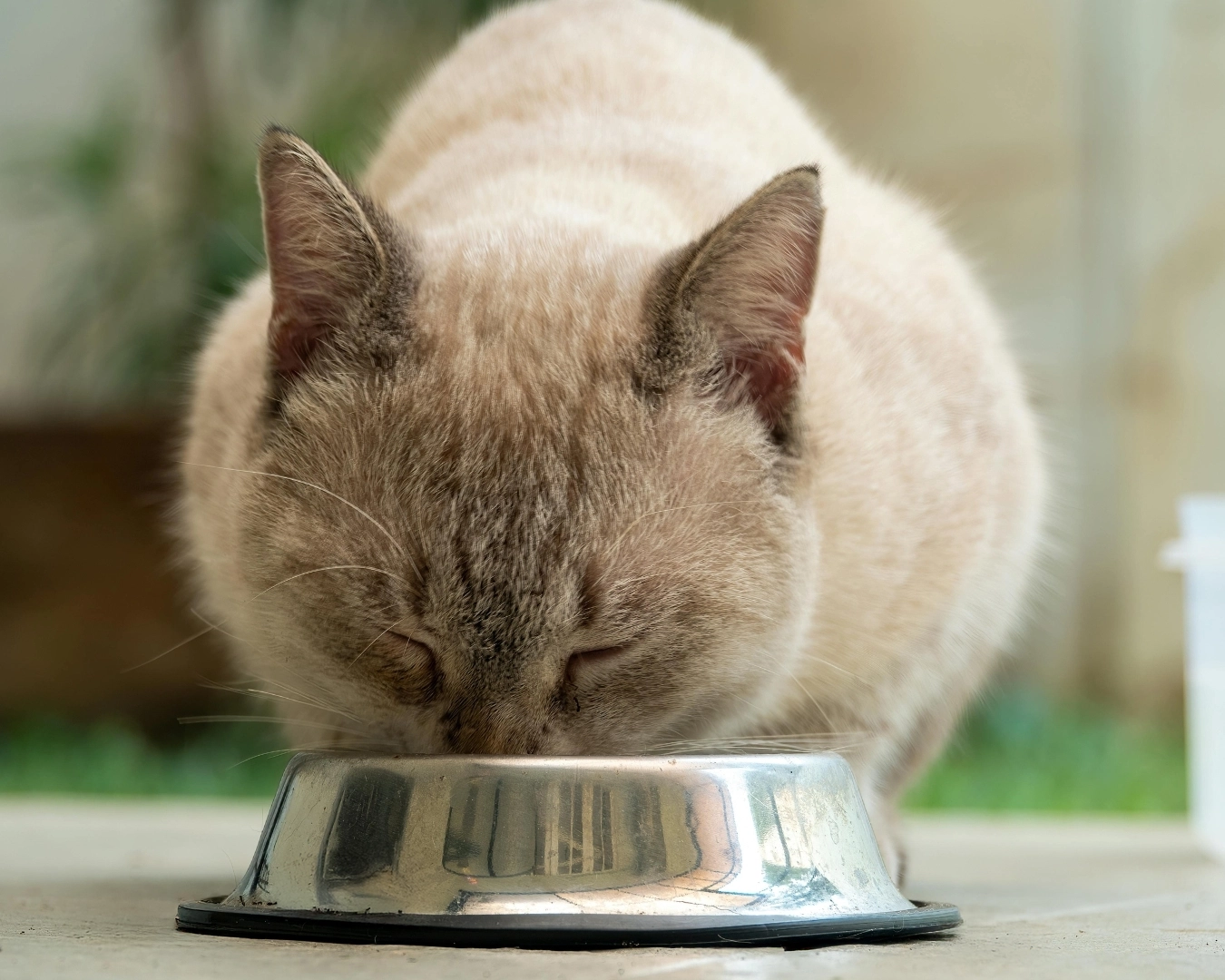
Q. Should I pack away pet bowls and beds before my treatment?
A. Yes. All pet bowls and bedding should be packed away before your pest treatment to prevent them from coming in contact with sprayed products.
If any bowls are left out during the treatment, empty their contents and wash them thoroughly before refilling to reduce the risk of any accidental contamination.
Q. Can my pets use the backyard on the same day after a treatment?
A. Yes. In most cases, pets can use the backyard on the same day once treated areas have completely dried.
Speak with your technician beforehand to find out how long you should wait before letting them outside again. For extra peace of mind, wait up to 24-48 hours.
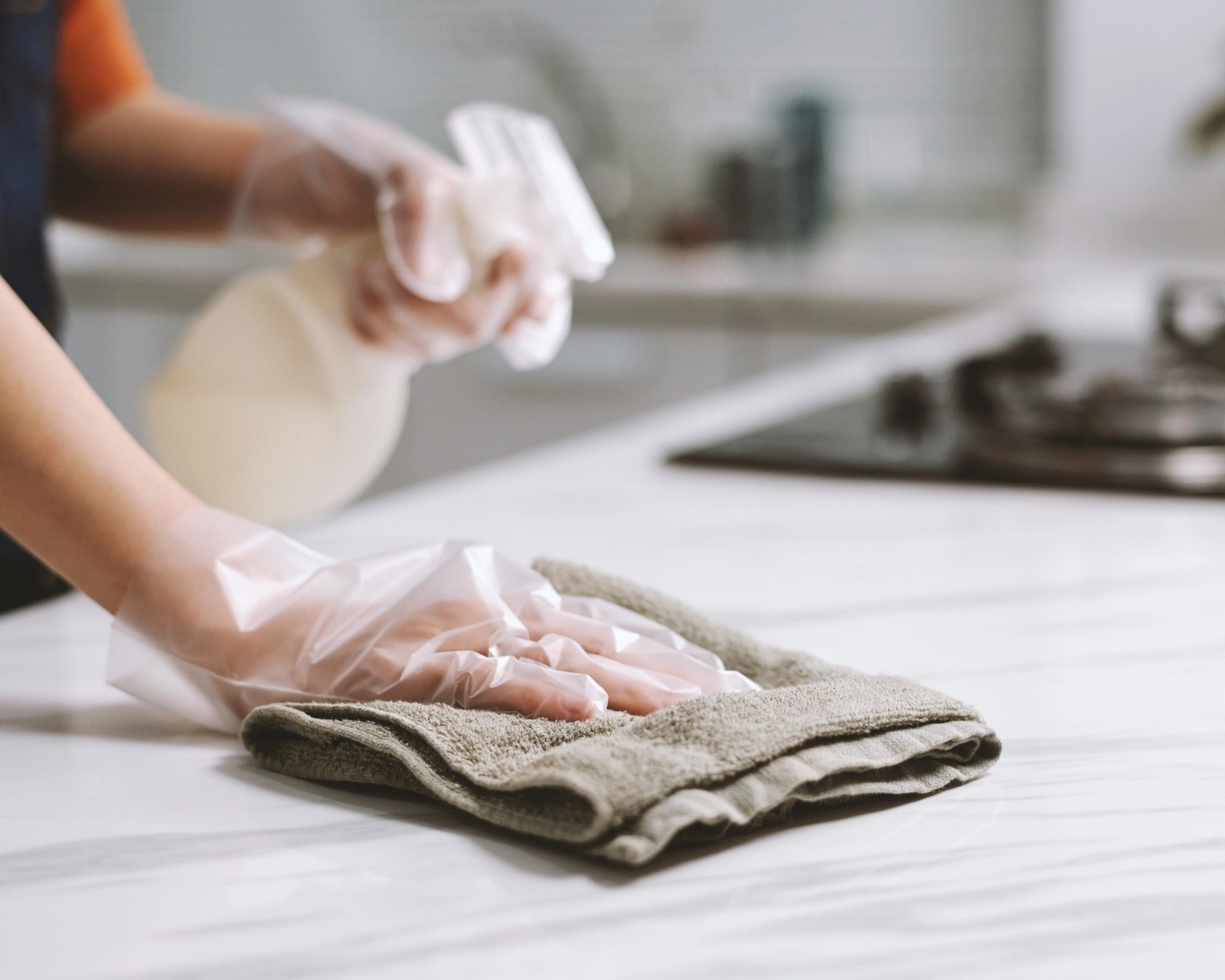
Q. Should I wipe down my benches after a treatment?
A. Internal pest treatments are generally not applied to bench tops or to other surfaces such as cupboard doors or tabletops inside a home, so wiping them down won’t disturb their effectiveness.
If you have any concerns about where treatments have been applied, speak with your technician.
Q. Do I need to move any furniture before my inspection or treatment?
A. Yes. If you would like to have the most comprehensive termite inspection or pest treatment possible, temporarily move any furniture or other stored items blocking access to parts of your home. This is particularly important for access to subfloors and roof cavities.
Items that restrict access cannot be moved by your technician and may result in areas not being inspected or treated.
Q. What exactly should I expect to see in the days following my pest treatment?
A. As your treatment begins to take effect, it is completely normal to see an increase in pest activity over the next few days.
You may notice pests such as cockroaches, ants or spiders appearing in areas where they were not previously visible. This does not mean the treatment has failed. In most cases, it is a sign that the products are working and pests are coming into contact with the treatment.
You’ll begin to see dead pests around your property and over the following days and weeks, pest activity should gradually decline as the treatment continues to take effect.
Still have a burning question?
There are hundreds of questions you could ask before your pest control service and in this blog, we barely scratched the surface. So, if we didn’t answer your burning question here, make sure to speak with your technician before your treatment begins.
If you need an answer now to alleviate your concerns, get in touch with our friendly customer service staff. They are always happy help and want to make sure you feel comfortable the whole way through your treatment.