

How Pests Can Impact Businesses
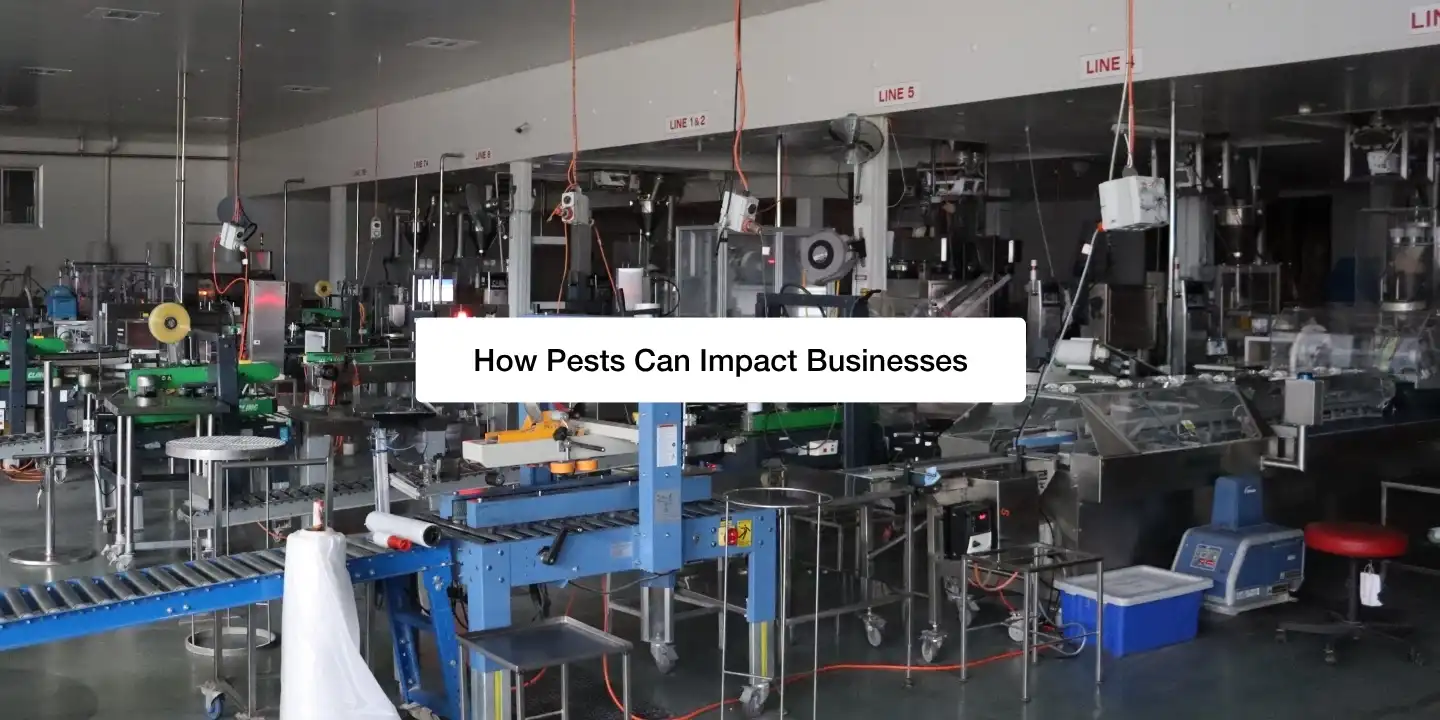
Table of Contents
- Why is commercial pest control important?
- Why is commercial pest control important for compliance?
- What are the financial risks of pest activity?
- What are the reputational risks of pest activity?
- What are the health and safety risks of pest activity?
- Conclusion
- Frequently Asked Questions
Commercial pest management differs significantly from residential pest control, which is often only triggered following visible pest activity or carried out as part of an annual treatment plan.
Pest activity in business settings can not only cause damage to assets, but also lead to reputational damage and numerous health and safety risks, which may ultimately result in financial consequences. This makes pest control an important operational consideration for all organisations, regardless of industry.
In this article, we’ll explore the risks associated with pest activity in commercial environments and the consequences of poor pest management.
What you need to know
- Pest activity can lead to financial, reputational and health and safety risks for organisations across many different industries
- Commercial pest control is an ongoing, long-term approach due to the continual access pests have to food, water and shelter in commercial environments
- Unmanaged pest infestations can lead to building damage, contaminated inventory, costly operational downtime, etc.
- Effective business pest control can help reduce risk, maintain compliance standards and protect staff, customers and business assets.
Why is commercial pest control important?
Pest control is an important consideration for commercial properties due to the ongoing access to food, water and shelter they provide pests. Some industries will require specialised treatment plans depending on the goods produced.
Food manufacturing facilities are a good example:
- Stored raw product provides a regular food source
- Water used in processing provides a reliable water supply
- Warehousing of goods creates many shelter opportunities
Integrated pest management (IPM) is the holistic, ongoing approach used in commercial pest control that helps reduce pest access to food, water and shelter in business environments. It focuses on control mechanisms, hygiene and physical proofing measures to manage pests before using pesticide treatments.
Engaging a provider of commercial pest control services to implement an integrated pest management plan is the best way to reduce the ongoing risks pests can cause to your business.
Why is commercial pest control important for compliance?
Commercial pest control is important because it plays a major role in helping businesses comply with health and safety regulations that protect employees and customers from injury and illness.
Under frameworks such as Safe Work Australia, employers are required to provide and maintain safe working environments. Pest activity can undermine these standards by introducing biological hazards and unsafe working conditions.
Examples of biological hazards
- Viruses, bacteria and parasites
- Fungi
- Venom
- Allergens

What are the financial risks of pest activity?
Damage to capital assets
Prolonged pest activity from termites, rodents and other pests can result in significant damage to buildings and commercial assets. Serious termite damage to structural timbers and rodent damage to electrical cabling may lead to costly remedial works if infestations remain unmanaged.
Equipment and machinery downtime
Pests can damage and contaminate equipment and machinery, resulting in reduced production and unnecessary expenditure towards rectifying issues.
Contaminated and damaged inventory
Pest activity from feral birds, cockroaches and stored product pests can contaminate and damage inventory. Affected items will need to be discarded and remanufactured or repurchased.
Business downtime
Pest infestations can lead to unintended downtime for companies. Depending on the severity of the infestation, operations may need to stop while cleaning, pest management or repairs are carried out.

What are the reputational risks of pest activity?
Complaints and negative customer perception
Visible pest activity in public spaces, such as restaurant dining areas and hotel rooms, may raise questions regarding the cleanliness and professionalism of the operation.
Negative customer experience can result in complaints and unfavourable online reviews. The erosion of trust and reputation for a company can be hard to rebuild following an incident caused by poor pest management.
Increased regulatory scrutiny
Repeated pest control breaches may attract increased attention from regulators, auditors, clients and other stakeholders. This scrutiny can place additional pressure on businesses to demonstrate that appropriate pest management measures are in place.
What are the health and safety risks of pest activity?
Contamination of food
Effective pest control is crucial in hospitality venues and food manufacturing facilities. Droppings, urine and nesting materials from pests can contaminate raw produce, prepared food and equipment, leading to health risks if contaminated products are consumed.
Spread of bacteria and disease
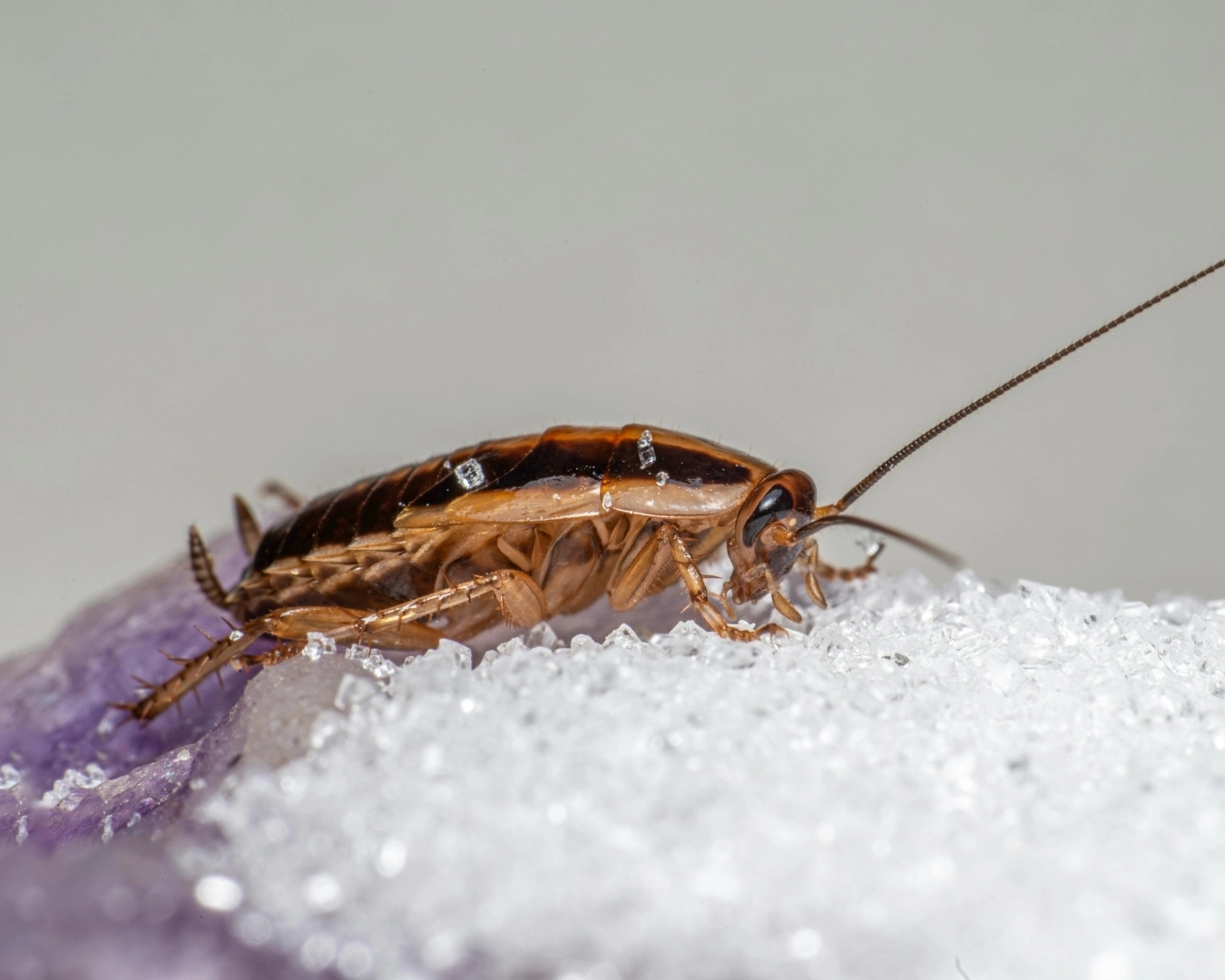
Pests contribute to the spread of bacteria and disease in commercial environments, posing serious health risks to employees. Cockroaches, rodents and mosquitoes carry pathogens that can cause illness such as salmonellosis, Ross River virus or gastroenteritis.
Physical contact with staff and customers
Beyond the risks associated with bacteria and disease, unmanaged pests can also bite, sting or otherwise come into contact with staff and customers, causing distress and potentially requiring medical attention.
Hazardous and unsafe working conditions
Pest infestations can contribute to unsafe working conditions and operational hazards. For example, rodent damage to electrical or hydraulic cabling may place employees at risk of electrocution or injury.
Conclusion
Pest activity can have far-reaching consequences for businesses beyond the immediate presence of pests within the environment. As we’ve explored throughout this article, unmanaged pest activity can lead to financial loss and reputational damage, along with health and safety risks for staff and customers.
Because commercial environments often provide pests with continual access to food, water and shelter, pest control for business operations should be viewed as an ongoing requirement rather than a reactive response to visible infestations.
With the right commercial pest control strategy in place, businesses can proactively manage pest risks and maintain safer, more compliant and more professional environments.
Frequently Asked Questions
Q. How often should commercial pest control be carried out?
A. The frequency of commercial pest control depends on the type of organisation, the level of risk and any compliance requirements. High-risk industries such as food manufacturing facilities, hospitality venues and warehouses often require more frequent inspections and treatments as part of an ongoing pest management program.
Q. Is commercial pest control required for compliance in Australia?
A. Many companies in Australia are required to maintain pest management measures as part of industry regulations, auditing processes and workplace health and safety obligations. Failure to manage pest activity appropriately may lead to non-conformance reports, reputational damage and financial penalties.
Q. Are pest control treatments safe for food handling environments?
A. Commercial pest control programs for food handling environments are designed to manage pests while maintaining hygiene and safety standards. Integrated pest management (IPM) strategies commonly focus on biological monitoring, hygiene and physical proofing measures before relying on pesticide treatments.
Q. Can pest infestations lead to business closure?
A. In severe cases, pest infestations can result in temporary business closure while cleaning, remediation and pest management works are carried out. Significant infestations may also lead to operational disruptions, failed audits or regulatory action depending on the industry and severity of the issue.
Q. Are commercial pest treatments disruptive to business operations?
A. Commercial pest control programs are often designed to minimise disruption to normal operations wherever possible. Inspections, monitoring activities and treatments can usually be carried out around regular working activities. However, larger infestations or remedial works may require temporary operational adjustments.