

Why Have Cockroaches Come Back After My Treatment?
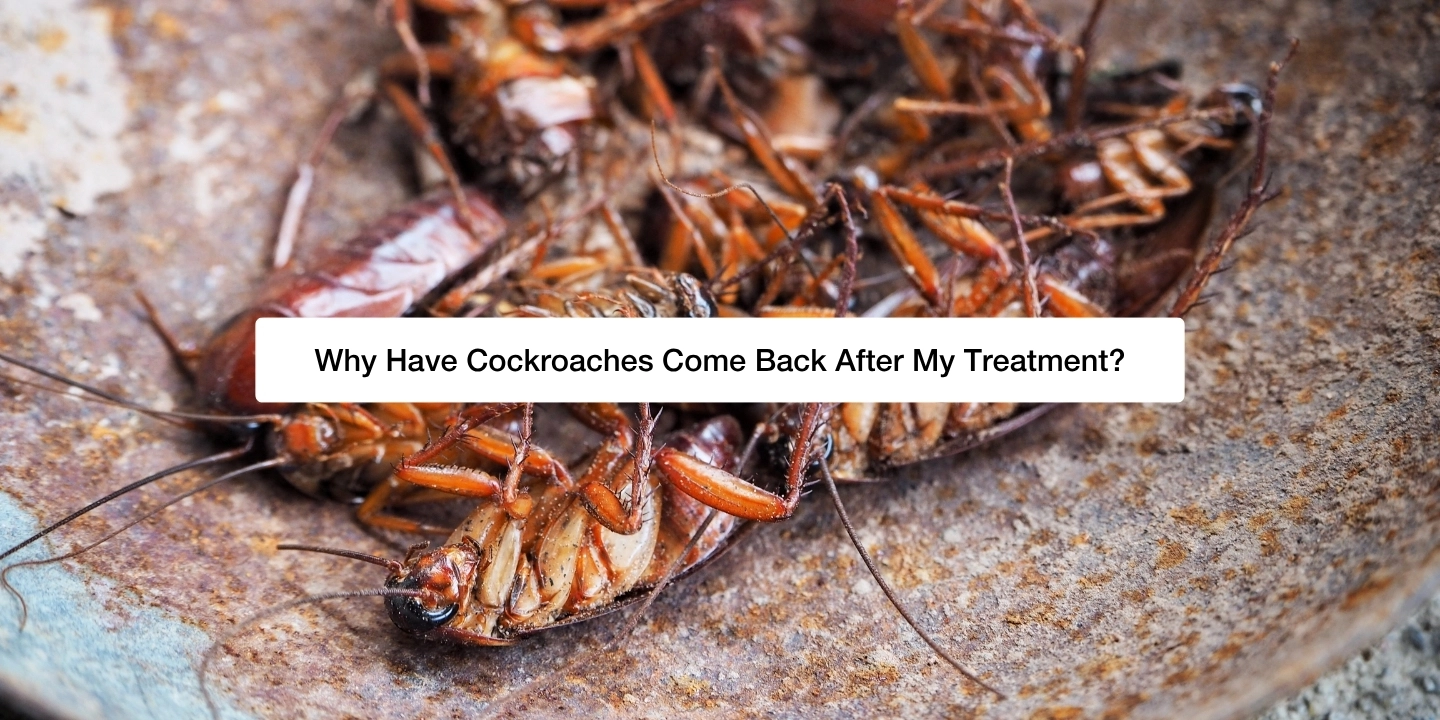
Table of Contents
- Is it normal to see cockroach activity after treatment and why?
- What should you do if cockroaches keep appearing?
- Conclusion
- Frequently Asked Questions
Is there anything worse than turning the lights on and seeing a cockroach quickly scurry across your floor looking for a place to hide?
Yes… discovering that the cockroach has wings!
Cockroaches can contaminate surfaces and carry disease, so seeing them reappear after a professional pest control treatment can be both concerning and frustrating. It may leave you wondering whether the treatment has worked or why the cockroaches have come back.
Keep reading if you’d like to learn more about why cockroaches may still appear after treatment and what you should do if the activity continues.
What you need to know
- Seeing active cockroaches shortly after a pest treatment is normal and does not mean that the treatment has failed
- Cockroaches may remain hidden for some time before they encounter baits placed around your property
- Young cockroaches may start appearing once unaffected eggs laid before the treatment hatch
- Food, water, shelter and entry points can all contribute to continued or recurring cockroach activity
- Follow the aftercare instructions from your technician and monitor cockroach sightings after treatment. If activity does not gradually decrease, seek advice from your pest control company
Is it normal to see cockroach activity after treatment and why?
Yes, and this activity is nothing to be concerned about.
It is quite common to see cockroaches after your treatment, and you may even notice increased activity during the first few days after it’s been completed. These sightings do not mean the cockroach treatment has failed. In fact, they can be a sign that it has been effective.
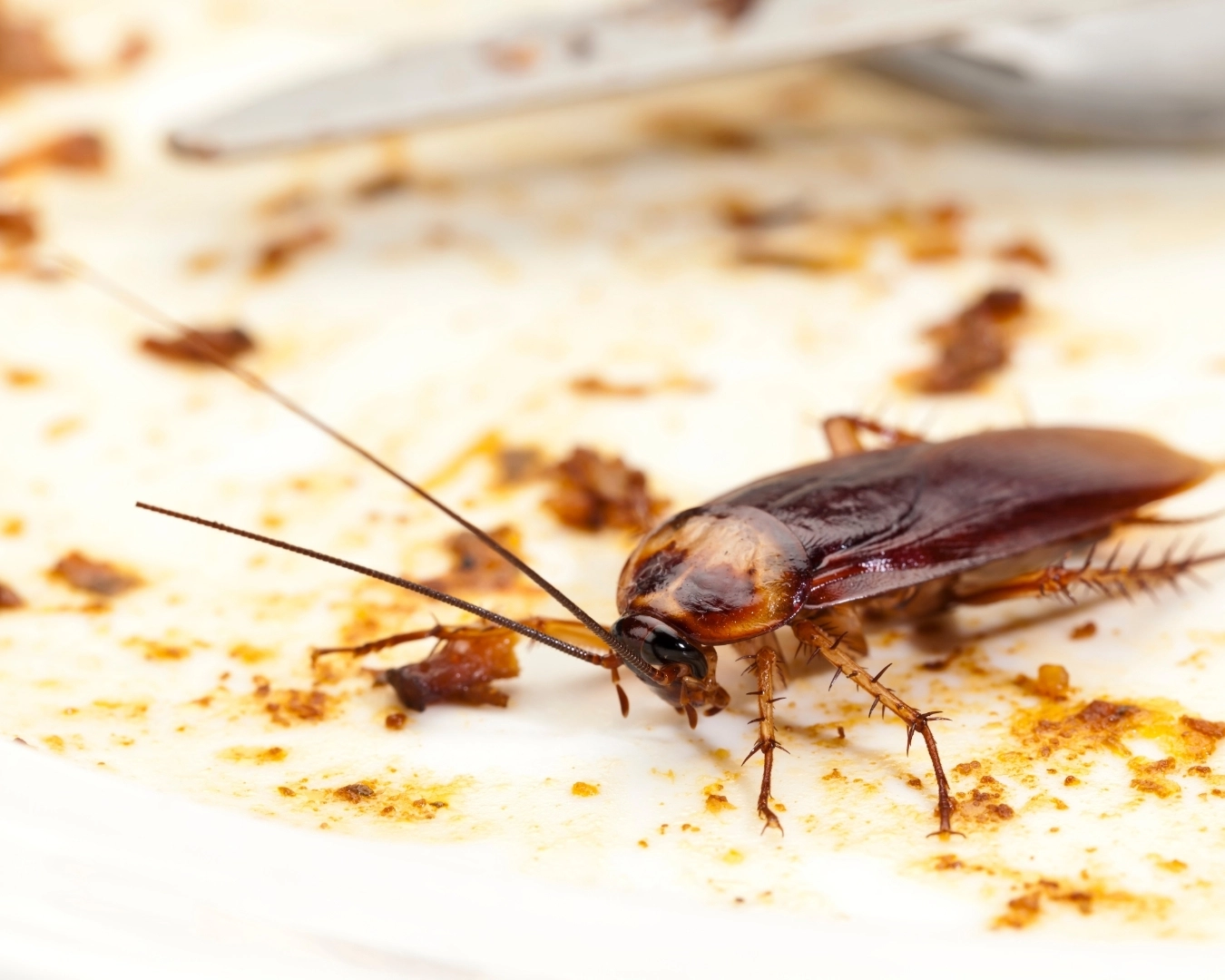
This activity happens as cockroaches are flushed out of their hiding places and discover the bait, usually inside a cockroach trap or applied as a small spot of pesticide gel by your pest technician.
However, the number of cockroaches you see should gradually decrease as the treatment continues to work. If the sightings do not reduce in the days following, it may indicate that additional treatment steps are required. Here are several reasons why cockroaches may reappear after your treatment.
More than a single treatment is needed
A common misconception is that a single treatment should kill every cockroach immediately. However, effective cockroach control is typically more of a gradual process, particularly when dealing with an established infestation.
It isn’t unusual for it to take more than one visit from your pest technician to eliminate a cockroach infestation. In addition, some species of cockroaches, may be more invasive and resistant than others. German cockroaches in particular can require several visits to treat effectively.
The treatment needs time to work
Cockroaches appearing after your treatment could be as simple as them not having left their hiding places and encountering the treatment.
- Areas where cockroaches like to hide include:
- Appliance motor housings
- Behind dishwashers
- Under fridges
- Around bins and waste areas
- Inside wall cavities
Food, water and shelter are attracting cockroaches
Cockroaches are incentivised to remain present in your home after a treatment when they are given easy access to food, moisture and hiding places. Food crumbs, grease, pet food, leaking pipes and unsealed rubbish can all support continued activity.
Cockroaches have found entry points into your home
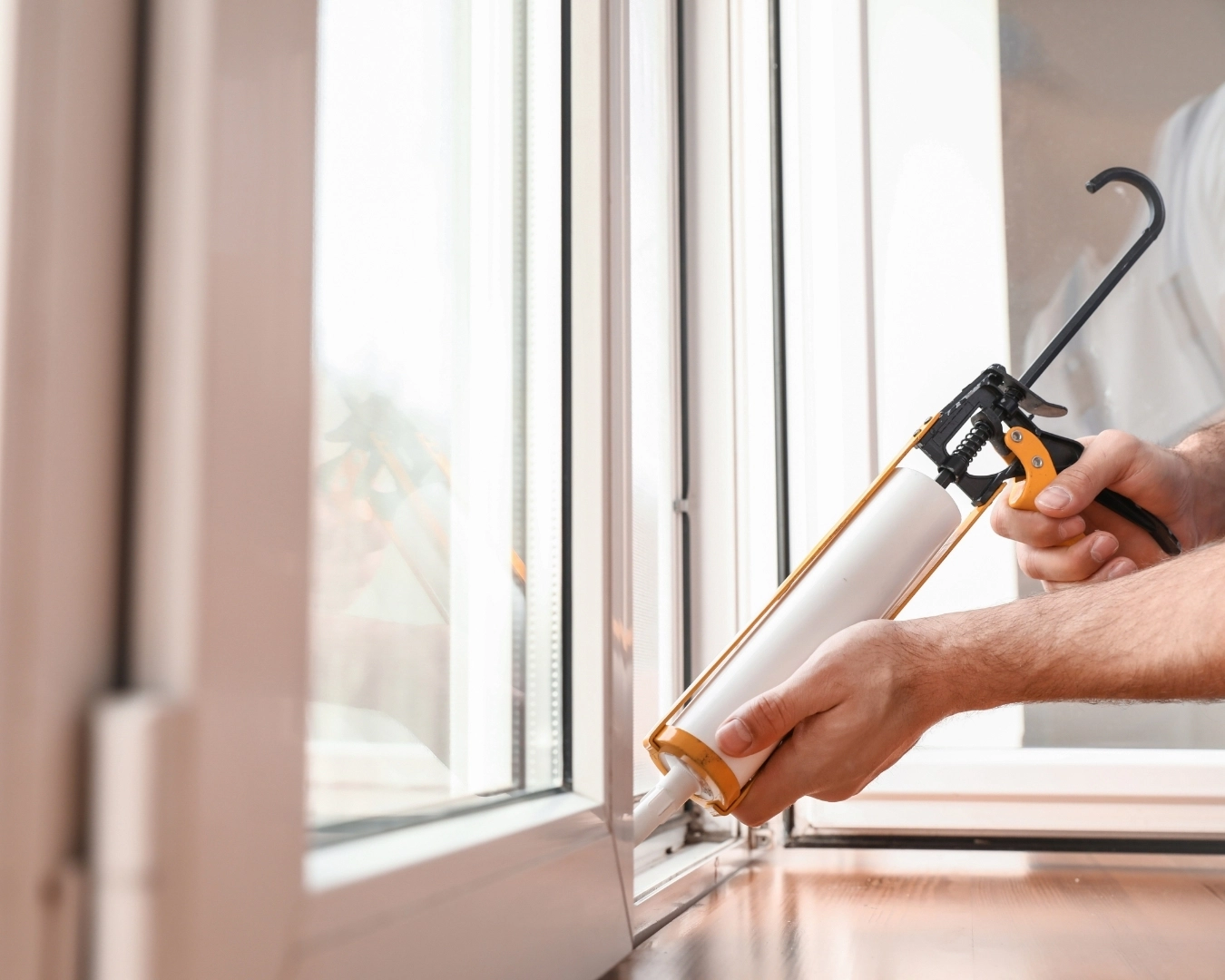
A cockroach treatment may eliminate the present problem, but it may not prevent future infestations. Allowing cockroaches entry into your home through gaps around doors, windows or pipes can lead to further issues with these troublesome pests. Sealing these areas off can help to protect your home from cockroaches and other pests.
Cockroach eggs have hatched
Cockroach eggs are protected inside egg cases (ootheca) and may remain concealed in cracks, appliances and other sheltered areas. If these eggs hatch after treatment, you may begin seeing small cockroaches around your home.
Cockroaches can reproduce quickly, so it is important to control these young cockroaches before they mature and continue the breeding cycle.
Their appearance does not necessarily mean that you have a new infestation in your home, as it may still take some time before these juvenile cockroaches come in contact with the applied treatment.
Treated areas have been disturbed
Removing baits or cleaning areas where the treatment has been applied may reduce its effectiveness before it has finished working. Applying household pest sprays to these areas may also interfere with professionally applied products.
What should you do if cockroaches keep appearing?
A few cockroaches appearing shortly after your treatment does not necessarily mean that you need another service straight away. Instead, give the treatment some time to work and follow the aftercare instructions provided by your pest management technician. These actions will go a long way to producing an effective pest control treatment.
If cockroach activity continues after your treatment, monitor the number and location of those you see, as their activity should gradually decrease. However, if sightings remain unchanged, become more frequent or continue beyond a few days, it’s important to contact your pest control company to discuss if further action is required.
An established cockroach infestation may require follow-up treatments depending on its severity. To help support the effectiveness of your cockroach treatment, also take these actions:
- Promptly clean up food crumbs and spills
- Store food and pet food in airtight containers
- Empty bins regularly and keep them sealed
- Repair any leaking taps and pipes around your property
- Remove any unnecessary cardboard and clutter from your home
- Seal off gaps around doors, windows and pipes
- Avoid household pest sprays in professionally treated areas
Conclusion
Seeing active cockroaches following a professional pest treatment does not mean the treatment has failed. Cockroaches may remain hidden and take time to encounter the baits left for them. It might also take some time for young cockroaches, hatched from eggs laid before the pest control service, to encounter the applied treatment.
Following your pest control appointment, cockroach activity should gradually decrease. You can help the success of the treatment by following the aftercare instructions provided by your pest technician and by limiting access to food, water, shelter and entry opportunities.
If cockroach activity does not decrease, contact your local Termitrust service centre for advice and to determine whether a follow-up cockroach treatment is required.
Frequently Asked Questions
Q. How long is it normal to see cockroaches after treatment?
A. You may continue to see cockroach activity for several days after treatment, as cockroach bait does not kill cockroaches immediately. Cockroaches generally die within one to three days of consuming bait, while a substantial decrease in the overall infestation should become noticeable within a few weeks.
Timeframes can vary based on the cockroach species, the severity of the infestation and the treatment used.
Q. Can cockroach eggs survive a pest control treatment?
A. Yes. Cockroach eggs can survive some pest control treatments because they develop inside tough protective cases known as oothecae.
These egg cases may be concealed in cracks and other sheltered areas that the baits do not reach directly. Once the eggs hatch, it may take time for the young cockroaches to come into contact with the applied treatment.
Q. Why am I seeing baby cockroaches after my pest treatment?
A. You may see baby cockroaches several days after your pest control treatment. However, this does not mean that the treatment has failed or that a new infestation has occurred.
These young cockroaches may have hatched from egg cases that were not directly affected by the treatment and still need time to encounter the cockroach baits.
Q. Should I use a household pest spray after my pest treatment if I continue to see cockroaches?
A. No. Cockroach treatments can take time to work, so there is no need to use a store-bought pest spray if you continue to see cockroaches. Applying household pest sprays to professionally treated areas may reduce its effectiveness and repel cockroaches away from baits.
After your treatment, follow the aftercare instructions provided by your pest technician and if you have any concerns, contact your local Termitrust service centre.
Q. What is the hardest cockroach to get rid of?
A. German cockroaches are considered to be one of the most difficult species of cockroach (and pests) to get rid of.
Their small size and rapid breeding cycle can make infestations difficult to manage. It is not unusual for German cockroach activity to continue after a professional treatment, particularly when the infestation is well established. Multiple visits from your pest technician may be necessary.